Have you noticed white spots on your dishes, soap scum buildup in your shower, or clothes that feel stiff after washing? These annoying issues might be telling you something important about your water quality. If you’re dealing with hard water, you’ve probably thought about getting a water softener. But here’s the big question that stops most homeowners in their tracks: how much is a water softener going to cost me?
Let’s dive deep into the world of water softeners and break down everything you need to know about pricing, installation, and whether this investment is worth your hard-earned money.
Understanding Water Softeners and Why You Need One
Before we talk dollars and cents, let’s get clear on what we’re actually dealing with here.
What Is Hard Water?
Hard water contains high levels of minerals like calcium and magnesium. While these minerals aren’t harmful to your health, they wreak havoc on your plumbing, appliances, and daily comfort. Think of hard water as that uninvited guest who gradually wears out your welcome mat, leaves marks everywhere, and makes everything just a bit more difficult.
Signs You Need a Water Softener
How do you know if you’re battling hard water? The signs are pretty obvious once you know what to look for. Your soap doesn’t lather well, your skin feels dry and itchy after showering, and there’s a chalky residue on your faucets and showerheads. Your water heater might be working overtime, your dishes have spots even after washing, and your clothes fade faster than they should. Sound familiar? Then it’s time to seriously consider a water softener.
Types of Water Softeners Available
Not all water softeners are created equal, and understanding the different types will help you make sense of the price variations.
Salt-Based Water Softeners
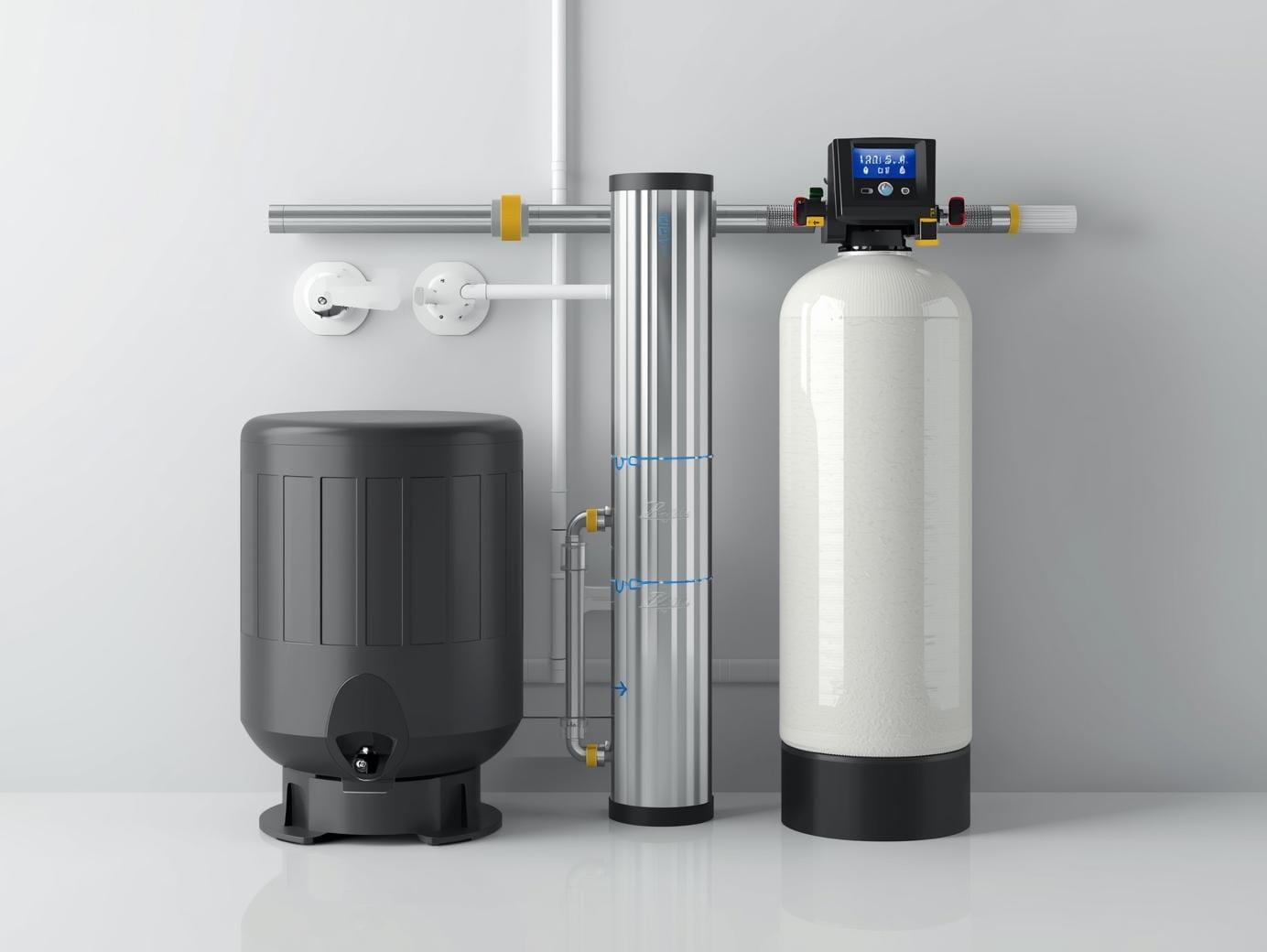
These are the traditional workhorses of water softening. They use ion exchange technology to swap those troublesome calcium and magnesium ions for sodium ions. They’re highly effective and the most common choice for homeowners dealing with moderately hard to very hard water.
Salt-Free Water Conditioners
Here’s where things get interesting. Salt-free systems don’t actually remove minerals—they change their structure so they don’t stick to surfaces. They’re lower maintenance and eco-friendlier, but they’re technically conditioners rather than true softeners. Perfect if you want some benefits without the salt regeneration process.
Dual-Tank Water Softeners
Got a big family or run a home business? Dual-tank systems ensure you never run out of soft water because one tank is always ready while the other regenerates. It’s like having a backup generator for your water quality.
Magnetic Water Softeners
These are the budget-friendly newcomers that use magnetic fields to alter mineral properties. The jury’s still out on their effectiveness, and many water treatment professionals remain skeptical. They’re cheap, but you might get what you pay for.
Factors That Affect Water Softener Costs
Why do water softener prices range from a couple hundred bucks to several thousand? Let’s break down what drives these costs.
Size and Capacity Requirements
Water softeners are rated by grain capacity—how many grains of hardness minerals they can remove before needing regeneration. A small household might get by with a 24,000-grain system, while a large family could need 64,000 grains or more. Bigger capacity equals higher price tag.
Brand and Quality
Like cars or appliances, brand reputation matters. Companies like Culligan, Kinetico, and Fleck have established track records. Premium brands offer better warranties, more efficient regeneration cycles, and customer support that actually helps. Generic brands might save you money upfront but could cost more in repairs down the road.
Type of System
Salt-based systems typically cost more than salt-free conditioners. Smart systems with WiFi connectivity and automatic adjustments? Those premium features add to the price. It’s like choosing between a basic smartphone and the latest model with all the bells and whistles.
Installation Complexity
Does your home have easy access to plumbing and drainage? Great! You’ll pay less for installation. Need extensive plumbing modifications, electrical work, or a special drain installation? Your costs will climb. Every home is different, and your specific situation plays a huge role in the final bill.
Average Cost of Water Softeners
Alright, let’s get to the numbers you’ve been waiting for.
Entry-Level Systems
Budget-friendly water softeners typically range from $300 to $800 for the unit itself. These are usually basic salt-based systems with manual controls and smaller capacities. They get the job done for small households with moderately hard water. Think of them as reliable economy cars—nothing fancy, but they’ll get you where you need to go.
Mid-Range Systems
Most homeowners land in this sweet spot, spending between $800 and $2,500 on their water softener. These systems offer better capacity, more efficient regeneration cycles, and often include digital controls. You’re getting quality construction, decent warranties, and features that make life easier without breaking the bank.
High-End Premium Systems
Ready to go all-in? Premium systems cost anywhere from $2,500 to $6,000 or more. You’re looking at top-tier brands, dual-tank setups, smart technology integration, and industrial-grade components. These systems are built to last decades and handle the hardest water conditions. They’re the luxury vehicles of water softening.
Installation Costs Breakdown
The unit price is just part of the equation. Installation can significantly impact your total investment.
DIY Installation vs. Professional Installation
Feeling handy? DIY installation could save you $200 to $500 in labor costs. You’ll need basic plumbing skills, the right tools, and a free weekend. But here’s the reality check—improper installation can lead to leaks, inadequate softening, or voided warranties. Professional installation typically runs $300 to $1,000 depending on complexity, and it comes with peace of mind and warranty protection.
Additional Plumbing Requirements
Sometimes your existing plumbing setup needs modifications. Maybe you need a loop installed, additional drainage, or electrical outlets for the system. These extras can add $150 to $500 to your project. A pre-installation inspection by a professional can help you avoid surprise costs.
Operating and Maintenance Costs
The upfront investment isn’t where the spending stops. Let’s talk about ongoing expenses.
Salt and Regeneration Expenses
Salt-based systems need regular salt refills. Depending on your water usage and hardness level, you’ll spend about $5 to $10 per month on salt. That’s roughly $60 to $120 annually. Not exactly breaking the bank, but it’s an ongoing expense to factor into your budget.
Water and Electricity Usage
Water softeners use water during regeneration cycles and a small amount of electricity to run timers and valves. We’re talking maybe $2 to $5 per month in combined costs. It’s minimal, but worth noting if you’re counting every penny.
Filter Replacements and Repairs
Some systems include pre-filters that need replacement every few months, costing $20 to $50 per filter. Occasional repairs or part replacements might run $100 to $300 every few years. Setting aside a small maintenance fund makes sense for long-term ownership.
Long-Term Value and Savings
Now let’s flip the script and talk about how a water softener actually saves you money over time.
Protecting Your Appliances
Hard water is murder on water heaters, dishwashers, and washing machines. Scale buildup reduces efficiency and shortens lifespan. A water softener can extend your appliances’ lives by years, potentially saving you thousands in replacement costs. Your water heater alone could last 2-5 years longer with soft water.
Reducing Soap and Detergent Use
Soft water lathers better, meaning you use less soap, shampoo, and detergent. Homeowners typically report using 50-75% less cleaning products. Over a year, that could mean $100-$200 in savings. Your clothes, dishes, and skin will thank you too.
Energy Efficiency Benefits
Scale-free appliances run more efficiently. Your water heater doesn’t have to work as hard to heat water through mineral deposits. This translates to lower energy bills—potentially 20-30% reduction in water heating costs. That’s real money back in your pocket every month.
Where to Buy Water Softeners
Shopping around can save you serious cash. Here’s where to look.
Local Home Improvement Stores
Big box stores like Home Depot and Lowe’s carry a decent selection of water softeners. You can see units in person, talk to staff, and often arrange installation through their services. Prices are competitive, though selection might be limited to mid-range options.
Online Retailers
Amazon, specialty water treatment websites, and manufacturer direct sales often offer the best prices. You’ll find wider selection and customer reviews to guide your decision. Just factor in shipping costs for these heavy units, and make sure return policies are reasonable.
Specialized Water Treatment Companies
Local water treatment specialists provide personalized service, water testing, and professional recommendations based on your specific needs. They’re typically more expensive, but you’re paying for expertise and ongoing support. Many offer financing options that make premium systems more accessible.
Tips for Choosing the Right Water Softener
Don’t just grab the cheapest option and hope for the best. Here’s how to make a smart choice.
Test Your Water Hardness
Before spending a dime, know what you’re dealing with. Get a water test kit ($10-$30) or have your water professionally tested. Water hardness is measured in grains per gallon (gpg). Once you know your hardness level, you can size your system appropriately.
Calculate Your Household Water Usage
A family of four typically uses 300-400 gallons of water daily. Multiply your daily usage by your water hardness level to determine the grain capacity you need. Oversizing wastes money and salt; undersizing means frequent regeneration and inadequate softening.
Read Reviews and Compare Warranties
Real customer experiences tell you what manufacturers won’t. Look for patterns in reviews—consistent complaints are red flags. Compare warranties too. A 10-year warranty beats a 2-year warranty every time. It shows manufacturer confidence in their product.
Conclusion
So, how much is a water softener? The honest answer is: it depends. You’re looking at anywhere from $300 for basic systems to $6,000+ for premium setups, plus installation costs ranging from DIY (free labor) to $1,000 for professional work. Factor in $100-$200 annually in operating costs, and you’ve got the complete picture.
But here’s what really matters—the value proposition. A quality water softener protects your plumbing, extends appliance life, reduces cleaning product use, and improves your daily comfort. Over 10-15 years, the savings often exceed the initial investment. Hard water isn’t just annoying; it’s expensive in ways you might not notice until you add it all up.
The best approach? Assess your specific needs, get your water tested, set a realistic budget that includes installation and ongoing costs, and choose a reputable system with solid warranties. Whether you spend $1,000 or $4,000, you’re making an investment in your home and quality of life. And that, my friend, is worth every penny.
FAQs
1. Can I install a water softener myself, or do I need a professional?
If you’re comfortable with basic plumbing and have some DIY experience, you can install a water softener yourself and save a few hundred dollars. However, professional installation ensures everything is done correctly, maintains your warranty coverage, and gives you peace of mind. If you have any doubts about your skills or if your home requires special plumbing modifications, hiring a pro is worth the investment.
2. How long does a water softener typically last?
A quality water softener should last 15-20 years with proper maintenance. Premium brands can last even longer. The key is regular maintenance—keeping the brine tank clean, using quality salt, and addressing any issues promptly. Think of it like a car; treat it well, and it’ll serve you faithfully for decades.
3. Will a water softener increase my sodium intake?
Water softeners do add a small amount of sodium to your water, but for most people, it’s negligible—about 12.5 milligrams per 8-ounce glass for moderately hard water. That’s less sodium than in a slice of bread. If you’re on a strict low-sodium diet, consider installing a reverse osmosis system for drinking water or using potassium chloride instead of sodium chloride in your softener.
4. What size water softener do I need for my home?
Size depends on two factors: your water hardness and daily water consumption. Multiply your daily water use (typically 75-100 gallons per person) by your water’s hardness in grains per gallon. For a family of four with 10 gpg hardness using 400 gallons daily, you’d need 4,000 grains of capacity per day. Most experts recommend a system that can handle 3-7 days between regenerations, so you’d want a 12,000 to 28,000 grain system.
5. Are salt-free water softeners as effective as salt-based systems?
Salt-free systems don’t actually soften water—they condition it by changing how minerals behave so they don’t stick to surfaces as easily. They won’t give you the silky water feel or lather benefits of true softening, but they require less maintenance and don’t add sodium. For mild to moderate hardness, they work reasonably well. For very hard water or if you want true soft water benefits, salt-based systems are more effective.