Ever found yourself mid-recipe, staring at your measuring cups, wondering how many tbsp in 1/2 cup? You’re not alone. This simple kitchen conversion stumps countless home cooks every single day. Whether you’re doubling a cookie recipe, halving a sauce, or simply missing the right measuring cup, understanding this basic conversion can save your dish—and your sanity.
Understanding Basic Kitchen Measurements
Why Accurate Measurements Matter in Cooking
Have you ever wondered why some recipes turn out perfectly while others fall flat? The secret often lies in precise measurements. In baking especially, the difference between success and disaster can be just a tablespoon or two. Think of measurements as the foundation of your culinary house—get them wrong, and everything crumbles.
Cooking is chemistry in action. When you combine ingredients in specific proportions, you’re triggering chemical reactions that create texture, flavor, and structure. Too much or too little of any ingredient can throw off this delicate balance. That’s why understanding conversions isn’t just helpful—it’s essential.
The Difference Between Volume and Weight Measurements
Here’s something many home cooks don’t realize: volume and weight are completely different beasts. When we talk about cups and tablespoons, we’re measuring volume—the space an ingredient occupies. This differs from weight measurements like ounces or grams, which tell us how heavy something is.
A cup of feathers and a cup of rocks both occupy the same space, but they certainly don’t weigh the same, right? The same principle applies in your kitchen. A cup of flour weighs significantly less than a cup of honey, even though they take up the same volume.
The Direct Answer: Tablespoons in Half a Cup
The Simple Conversion Formula
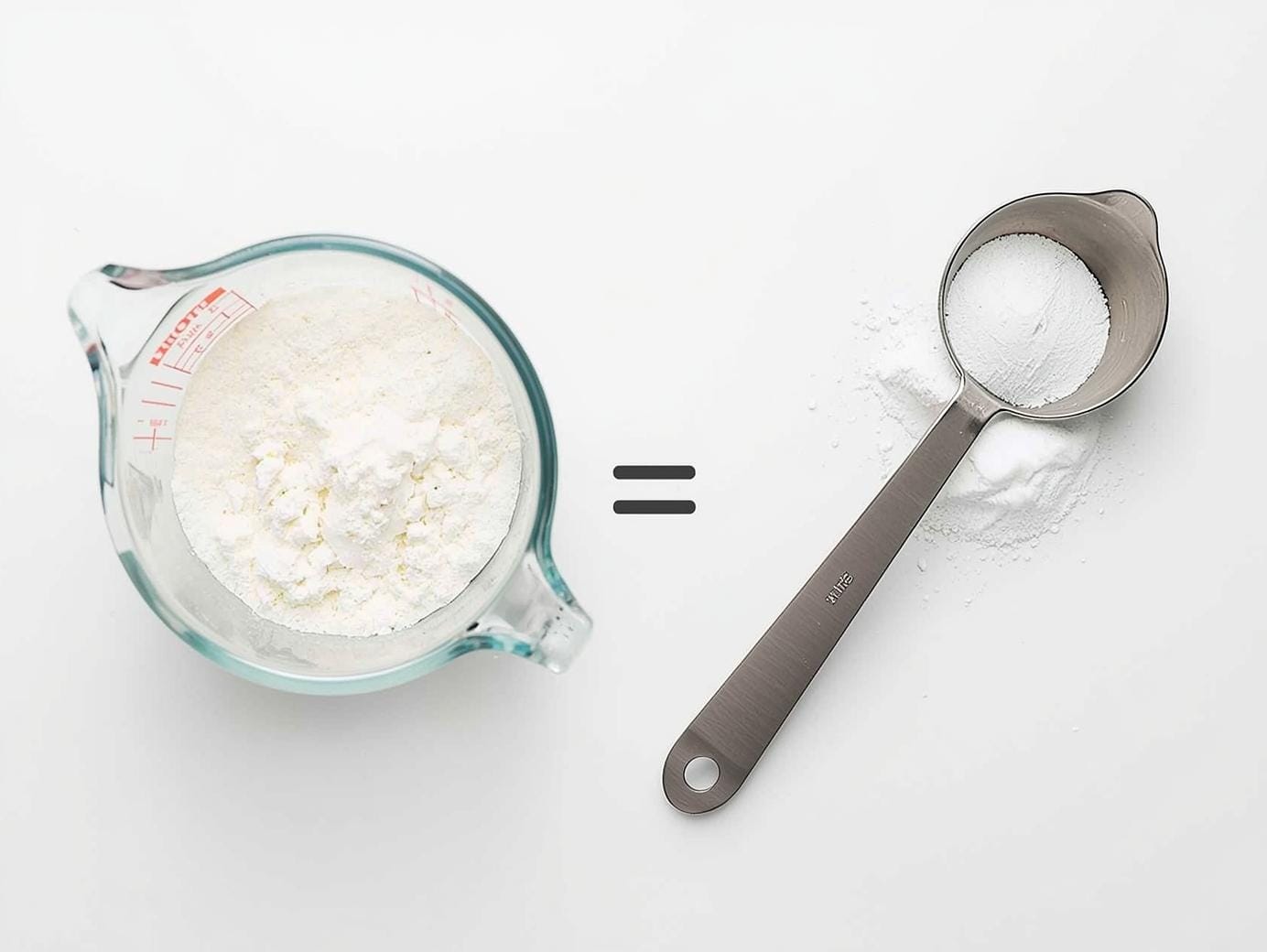
Let’s cut right to the chase: there are 8 tablespoons in 1/2 cup. That’s your golden number, the conversion you came here for. Memorize it, write it down, tattoo it on your arm—whatever works for you.
This conversion is standard across US measurements and won’t change regardless of what you’re measuring. Whether it’s water, flour, sugar, or oil, half a cup always equals eight tablespoons in terms of volume.
Breaking Down the Math
Want to understand the “why” behind this number? Let’s break it down. One full cup contains 16 tablespoons. Since we’re looking at half a cup, we simply divide that number by two: 16 ÷ 2 = 8 tablespoons.
Think of it like slicing a pizza. If a whole pizza has 16 slices, half the pizza has 8 slices. Same logic, different delicious application. This mathematical relationship makes kitchen conversions much easier once you grasp the basic ratios.
Understanding Tablespoons and Cups
What Exactly Is a Tablespoon?
A tablespoon is more than just a spoon you use at the dinner table. In cooking measurements, a tablespoon (abbreviated as tbsp, Tbsp, or T) is a standardized unit equal to three teaspoons or 1/16 of a cup. In milliliters, one tablespoon equals approximately 15 ml.
The tablespoon has been a kitchen staple for centuries, evolving from literal eating utensils to precise measuring tools. Today, when a recipe calls for a tablespoon, it means the standardized measuring tablespoon, not your grandmother’s serving spoon.
Cup Measurements Explained
The cup is the workhorse of American cooking measurements. One standard US cup equals 240 milliliters (or about 8 fluid ounces). It’s the perfect middle ground between tablespoons and larger quantities, making it ideal for most recipe ingredients.
Cups are incredibly versatile. They work for liquids like milk or oil, semi-solids like yogurt or peanut butter, and dry ingredients like flour or sugar. However, the measuring technique differs depending on what you’re measuring—but we’ll get to that in a moment.
US vs International Cup Measurements
Here’s where things get a bit tricky. Not all cups are created equal worldwide. The US cup (240 ml) differs from the metric cup used in many other countries (250 ml). Australia and New Zealand use a metric cup, while the UK traditionally used imperial measurements before switching to metric.
If you’re following an international recipe, pay attention to which measurement system it uses. That 10 ml difference might seem small, but in baking, it can affect your results. When in doubt, look for recipes that provide both volume and weight measurements.
Quick Reference Conversion Chart
Common Cup to Tablespoon Conversions
Let’s expand your conversion knowledge beyond just half a cup. Here’s a handy reference you’ll use again and again:
- 1/8 cup = 2 tablespoons
- 1/4 cup = 4 tablespoons
- 1/3 cup = 5 tablespoons plus 1 teaspoon
- 1/2 cup = 8 tablespoons
- 2/3 cup = 10 tablespoons plus 2 teaspoons
- 3/4 cup = 12 tablespoons
- 1 cup = 16 tablespoons
Notice the pattern? Each quarter cup adds 4 tablespoons. This pattern makes mental math in the kitchen much easier once you’ve internalized it.
Printable Kitchen Conversion Guide
Consider keeping a laminated conversion chart on your refrigerator or inside a cabinet door. Having these numbers at your fingertips eliminates guesswork and speeds up your cooking process. Many home cooks swear by this simple organizational trick.
You can also find conversion apps for your smartphone, but sometimes good old-fashioned paper works best when your hands are covered in flour or cookie dough. Plus, there’s no need to unlock your phone with sticky fingers.
Practical Applications in the Kitchen
When You Need This Conversion Most
When would you actually need to convert half a cup to tablespoons? More often than you might think. Perhaps you’re missing your half-cup measure, or maybe you need to divide a recipe precisely. Sometimes recipes from other countries use tablespoons where American recipes use cups.
I’ve found this conversion particularly useful when adjusting recipes. If a recipe serves four but you’re cooking for two, knowing that half a cup equals eight tablespoons makes it easy to use just four tablespoons instead. Scaling recipes becomes a breeze with solid conversion knowledge.
Baking vs Cooking Measurements
In general cooking—think soups, stews, or stir-fries—slight measurement variations rarely spell disaster. Your pasta sauce will survive if you add an extra tablespoon of olive oil. But baking? That’s a different story entirely.
Baking is precise science. The ratio of wet to dry ingredients, fat to flour, and leavening agents to everything else must be accurate. When baking, treat measurements like a scientist treats lab measurements—with respect and precision. This is why understanding conversions becomes absolutely critical for successful baking.
Tips for Accurate Measuring
Leveling Your Measurements
Here’s a pro tip that will instantly improve your measuring accuracy: always level your measurements. After scooping flour or sugar into a measuring cup or spoon, use the straight edge of a knife to scrape across the top, removing excess and creating a perfectly level surface.
This technique prevents overpacking and ensures consistency every time you measure. It’s the difference between “about right” and “exactly right”—and in cooking, especially baking, exactly right wins every time.
Liquid vs Dry Ingredients
Did you know you should use different measuring cups for liquids and dry ingredients? Liquid measuring cups typically have a spout and measurement lines below the rim, allowing you to check the level at eye height without spilling. Dry measuring cups are meant to be filled to the brim and leveled off.
For liquids, place your measuring cup on a flat surface and bend down to check the measurement at eye level. The bottom of the liquid’s curve (called the meniscus) should align with the measurement line. Never hold the cup up in the air—you won’t get an accurate read.
The Scoop and Sweep Method
For dry ingredients like flour, never pack them into the cup unless the recipe specifically says to (like with brown sugar). Instead, use the scoop and sweep method: spoon the ingredient into the measuring cup until it overflows, then sweep a straight edge across the top to level it.
This method prevents compacting, which can add significantly more ingredient than intended. Packed flour can weigh 20-30% more than properly measured flour—enough to turn fluffy cakes into dense bricks.
Common Measurement Mistakes to Avoid
Overpacking Your Measuring Tools
One of the biggest mistakes home cooks make is pressing ingredients down into measuring cups or spoons. Unless you’re measuring brown sugar (which should be packed), avoid this instinct. Overpacking leads to too much ingredient, throwing off your recipe’s balance.
Think about it: if you pack flour into a half-cup measure until it’s compressed, you might actually be adding the equivalent of two-thirds of a cup or more. That’s why your cookies spread too thin or your cake becomes too dense.
Using the Wrong Type of Measuring Cup
Using a liquid measuring cup for flour or a dry measuring cup for milk might seem harmless, but it can introduce inaccuracy. Liquid measures require you to fill below the rim and read at eye level, while dry measures are designed to be filled to the top and leveled.
The good news? Once you understand why different measuring tools exist, using them correctly becomes second nature. Invest in both types—they’re inexpensive and will last for years.
Converting Other Cup Fractions to Tablespoons
Quarter Cup Conversions
Need to know about quarter cups? One-quarter cup equals 4 tablespoons. This means you can easily measure out a quarter cup using just your tablespoon measure by counting to four. Simple, right?
This conversion is particularly handy when you’re missing your quarter-cup measure or need to split a half-cup measurement in two. Just count out four tablespoons twice, and you’ve got your half cup.
Three-Quarter Cup Conversions
Three-quarters of a cup equals 12 tablespoons. Here’s an easy way to remember this: since a quarter cup is 4 tablespoons, three-quarters is simply 4 × 3 = 12 tablespoons.
Alternatively, you can think of it as half a cup (8 tablespoons) plus a quarter cup (4 tablespoons), which also gives you 12 tablespoons. Multiple paths to the same answer—choose whichever makes more sense to you.
One-Third and Two-Thirds Cup Conversions
These are slightly trickier because they don’t divide evenly into tablespoons. One-third cup equals 5 tablespoons plus 1 teaspoon. Two-thirds cup equals 10 tablespoons plus 2 teaspoons.
These measurements come up frequently in recipes, so it’s worth memorizing them or keeping them handy. The “plus teaspoon” part is crucial—leaving it out means you’re short on ingredients.
Kitchen Tools That Make Measuring Easier
Essential Measuring Equipment
Every kitchen needs a solid set of measuring tools. At minimum, you should have:
- A set of dry measuring cups (usually 1 cup, 1/2 cup, 1/3 cup, and 1/4 cup)
- A liquid measuring cup (preferably both 1-cup and 2-cup versions)
- A set of measuring spoons (1 tablespoon, 1 teaspoon, 1/2 teaspoon, and 1/4 teaspoon)
Quality measuring tools don’t have to be expensive, but they should be accurate and durable. Stainless steel or heavy-duty plastic sets typically last longer than cheaper alternatives.
Digital vs Manual Measuring Tools
Digital kitchen scales have revolutionized home cooking, allowing you to measure by weight rather than volume. Many serious bakers swear by them because weight is more accurate than volume for dry ingredients.
However, traditional measuring cups and spoons still have their place. They’re quick, don’t require batteries, and work perfectly well for most recipes. The best-equipped kitchen has both options available.
Understanding Metric Conversions
Tablespoons and Cups in Milliliters
If you’re working with international recipes or prefer metric measurements, here are the key conversions:
- 1 tablespoon = approximately 15 ml
- 1/2 cup = approximately 120 ml (or 8 tablespoons × 15 ml)
- 1 cup = approximately 240 ml
These conversions allow you to bridge American and international recipes seamlessly. Many modern measuring cups include both systems, making your job even easier.
International Baking Standards
Professional bakers worldwide increasingly use weight measurements (grams) rather than volume. A recipe might call for 120 grams of flour instead of 1 cup. This method is more precise because it eliminates variables like how compacted the ingredient is.
If you’re serious about baking, consider recipes that provide weight measurements. You’ll achieve more consistent results, and scaling recipes becomes as simple as multiplying or dividing numbers.
Frequently Used Ingredient Conversions
Butter Measurements
Butter conversions deserve special mention because butter packaging often helps you out. In the US, one stick of butter equals 1/2 cup or 8 tablespoons. The wrapper typically has tablespoon markings, making it easy to cut exactly what you need.
If your recipe calls for 4 tablespoons of butter, that’s half a stick. Need 2 tablespoons? Cut a quarter of the stick. This built-in measuring system makes working with butter surprisingly convenient.
Sugar and Flour Conversions
While half a cup of any ingredient equals 8 tablespoons by volume, the weight varies dramatically:
- 1/2 cup of granulated sugar = approximately 100 grams
- 1/2 cup of all-purpose flour = approximately 60 grams (when measured correctly)
- 1/2 cup of brown sugar (packed) = approximately 110 grams
This illustrates why professional bakers prefer weight measurements—volume can be misleading when ingredients have different densities.
How to Measure Without Standard Tools
Emergency Kitchen Hacks
Stuck without measuring tools? Don’t panic. Here are some practical workarounds:
- A typical coffee mug holds about 1 cup (test yours with a known quantity first)
- A dinner spoon is roughly 1 tablespoon (though not exact)
- Your hand can be a measuring guide: a palmful of dry ingredients is roughly 1/4 cup
These aren’t perfect solutions, but they’ll work in a pinch. Just remember that accuracy suffers, so save these tricks for forgiving recipes like soups or casual cooking.
Using Everyday Items as Measuring Guides
The cap of many standard water bottles holds about 2 tablespoons. A standard ice cream scoop is often 1/4 cup. Once you start looking, you’ll find measuring equivalents all around your kitchen.
That said, these should be last resorts. Investing in proper measuring tools—which cost just a few dollars—is always the better option for consistent cooking results.
The Science Behind Standard Measurements
Historical Development of Cooking Measurements
Standardized cooking measurements haven’t always existed. Recipes once called for “a handful of this” or “a pinch of that”—vague instructions that relied on experience and intuition. The development of standard measurements revolutionized cooking, making recipes reproducible and shareable.
The tablespoon and cup measurements we use today became standardized in the early 20th century. Before that, regional variations meant recipes couldn’t be reliably shared across distances. Standardization democratized cooking, allowing anyone to follow a recipe successfully.
Why Standardization Matters
Imagine if every cookbook used different measurements. Chaos, right? Standardization ensures that when a recipe says “1/2 cup,” cooks from California to Maine measure the same amount. This consistency is what makes modern recipe-sharing possible.
International standardization is still evolving. While the US stubbornly clings to cups and tablespoons, most of the world uses metric measurements. Perhaps one day we’ll see global standardization—until then, keep your conversion charts handy.
Professional Chef Tips for Home Cooks
Professional chefs develop an intuitive sense of measurements through repetition, but they still follow precise measurements for critical recipes. Here’s what they want you to know:
Mise en place is everything. Measure all your ingredients before you start cooking. This French term means “everything in its place,” and it prevents mid-recipe scrambling and mistakes.
Taste as you go. While measurements matter, your palate is the ultimate judge. Adjust seasonings to your preference, especially in cooking (as opposed to baking, where chemistry rules).
Practice makes perfect. The more you cook and measure, the more intuitive it becomes. You’ll start eyeballing measurements with surprising accuracy—though you should still measure precisely for baking.
Invest in quality tools. Cheap measuring cups with faded markings or warped shapes lead to inaccurate measurements. Good tools last for decades and pay for themselves in successful recipes.
Conclusion
Understanding that 1/2 cup equals 8 tablespoons is more than just memorizing a number—it’s about developing kitchen confidence. Whether you’re baking grandmother’s secret cookie recipe, experimenting with a new sauce, or simply trying to follow instructions more accurately, this conversion serves as your foundation.
Remember, cooking is part science, part art. While measurements provide the scientific structure, your creativity and adjustments add the artistry. Master the basics like tablespoon-to-cup conversions, and you’ll free yourself to focus on the fun parts of cooking—experimenting with flavors, perfecting techniques, and enjoying the process.
Keep your measuring tools accurate, understand the principles behind the conversions, and don’t be afraid to double-check when you’re unsure. Every skilled cook started exactly where you are now, learning one conversion at a time. Now you’re equipped with the knowledge to measure with confidence—so get in that kitchen and create something delicious!
FAQs
1. How many tablespoons are in a full cup?
A full cup contains 16 tablespoons. Since 1/2 cup equals 8 tablespoons, doubling that gives you 16 tablespoons for a complete cup. This is a fundamental conversion worth memorizing for quick kitchen calculations.
2. Can I use a regular spoon instead of a measuring tablespoon?
While you can in a pinch, it’s not recommended. Regular eating spoons vary significantly in size and can hold anywhere from 1/2 to 2 tablespoons, depending on the spoon. For accurate results, especially in baking, always use standardized measuring spoons.
3. Does it matter if I’m measuring wet or dry ingredients when converting cups to tablespoons?
The volume conversion stays the same—1/2 cup always equals 8 tablespoons, regardless of what you’re measuring. However, your measuring technique should differ: use liquid measuring cups for liquids and dry measuring cups for dry ingredients to ensure accuracy.
4. How do I measure half a cup if I only have tablespoons?
Simply measure out 8 level tablespoons, and you’ll have exactly 1/2 cup. Make sure to level each tablespoon properly to maintain accuracy. This method works perfectly when your half-cup measure is lost in the dishwasher or lent to a neighbor.
5. Are tablespoon measurements the same in all countries?
No, tablespoon sizes vary internationally. A US tablespoon is approximately 15 ml, while an Australian tablespoon is 20 ml. If you’re following an international recipe, check which measurement system it uses or consider using metric measurements (milliliters) for greater accuracy across different systems.