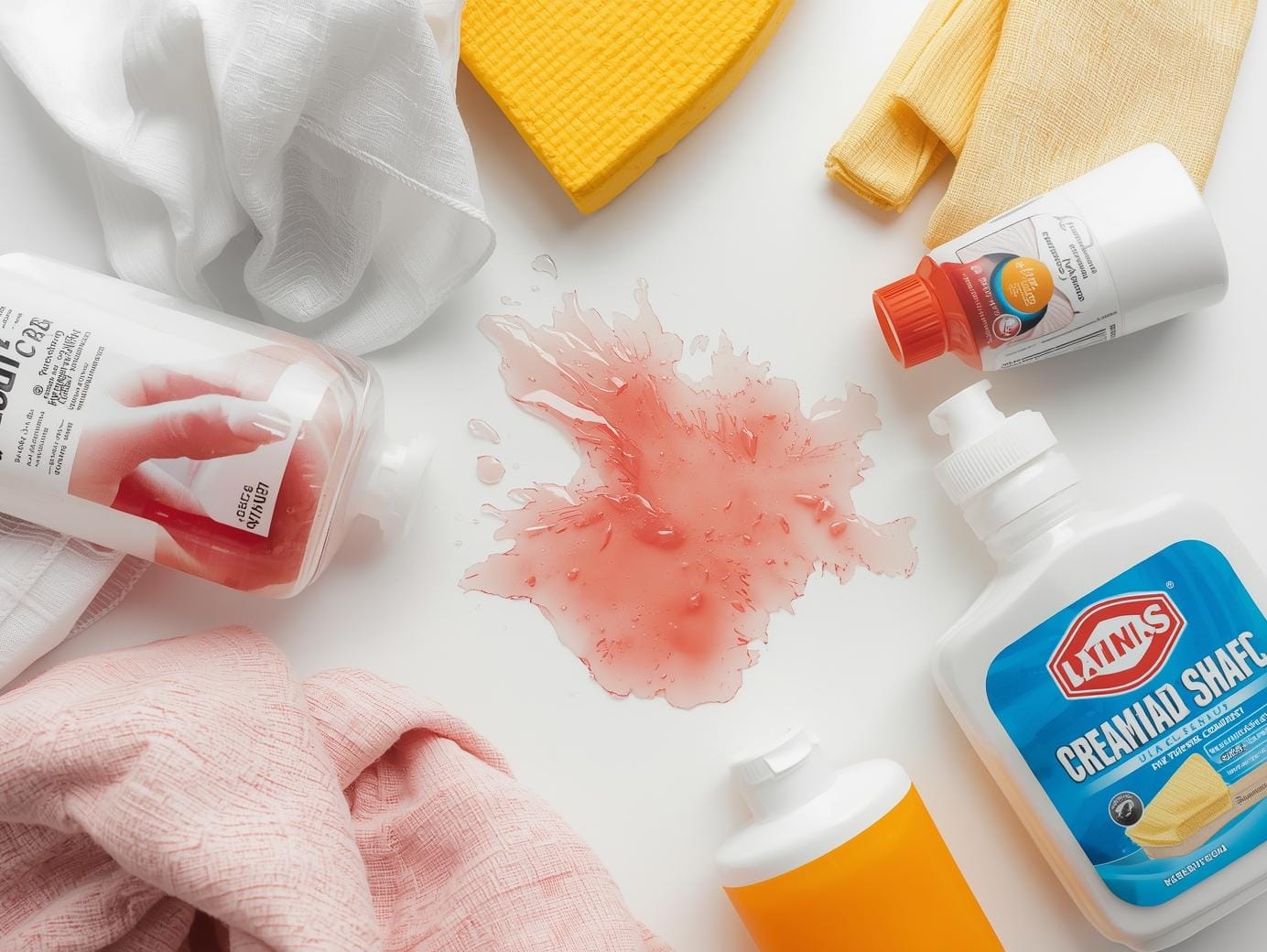
Nobody wants to deal with blood stains on their favorite clothes. Whether it’s from a minor cut, a nosebleed, or an accident in the kitchen, blood can seem like a permanent mark that destroys fabric. But here’s the good news that how to get blood out of clothes with the right approach and a little patience, you can remove almost any blood stain. The key is knowing what to do and acting quickly. Let me walk you through everything you need to know to tackle this common laundry challenge.
Understanding Blood Stains and Why Quick Action Matters
Blood stains are trickier than most people realize. The moment blood hits fabric, it begins bonding with the fibers. This is why acting fast makes all the difference between a successful cleanup and a permanent reminder of your mishap.
The Science Behind Blood Stains
Blood contains proteins and iron, which means it behaves differently than other common stains like wine or chocolate. When blood dries, these proteins actually cross-link with fabric fibers, making them incredibly stubborn. Think of it like glue—the longer it sits, the stronger the bond becomes. This is precisely why you’ll often hear experts stress the importance of immediate action.
Why Fresh Stains Are Easier to Remove
Fresh blood stains are significantly easier to eliminate because the proteins haven’t fully set into the fabric yet. A stain that’s only a few minutes old responds beautifully to cold water treatment, while one that’s been sitting for days might require more aggressive methods. The window of opportunity for simple solutions is roughly the first 24 hours.
Pre-Treatment Steps Before Washing
Before you start throwing treatments at that stain, take a moment to assess the situation. A few quick checks will help you choose the most effective approach.
What You Need to Know Before Starting
The first rule of stain removal is to act without panic. Rushing often leads to mistakes that set stains deeper into fabric. You want to be deliberate and methodical about your approach.
Checking the Fabric Type
Different fabrics require different approaches. Delicate materials like silk or wool can’t handle the same aggressive treatment that sturdy cotton can. Check your garment’s care label first. If it says “dry clean only,” you might want to head straight to the professionals rather than risk damaging an expensive piece. For everyday fabrics like cotton and polyester blends, you have more flexibility.
Assessing the Stain Age
Is the stain fresh or has it been there for a while? This determines your strategy completely. A stain from this morning responds to completely different treatments than one that’s been drying for a week. Generally, stains under 24 hours old are considered “fresh” and respond well to basic methods.
Cold Water: Your First Line of Defense
This is where most people make their first mistake. They automatically reach for hot water, thinking heat will help clean better. Wrong. With blood, hot water is actually your enemy.
Why Cold Water Works Better Than Hot
Hot water can actually cook the proteins in blood, essentially setting the stain permanently into your fabric. It’s counterintuitive, but cold water is what you want. Cold water keeps those proteins in a state where they can still be lifted away from the fibers. This is one of the most important tips I can give you.
The Rinsing Technique That Works
Hold the stained fabric under running cold water from the back side of the stain. By working from behind, you’re actually pushing the blood out through the fabric rather than deeper into it. Let the water flow through for a solid minute or two. You’ll be amazed at how much comes out with this simple technique alone. For many fresh stains, this might be enough to eliminate the problem entirely.
Common Household Solutions for Blood Removal
If cold water alone doesn’t do the trick, several items already in your home can help. These budget-friendly solutions are surprisingly effective.
Salt and Water Method
Salt is a natural stain remover that works wonders on blood. Mix salt with cold water to create a paste, then apply it directly to the stain. Let it sit for about 5-10 minutes, then gently rub the fabric together. The salt crystals help break down the blood while the water carries it away. Rinse thoroughly with cold water and repeat if necessary. This method works especially well on fresh stains and has been used for generations.
Hydrogen Peroxide Treatment
Here’s where things get interesting. Hydrogen peroxide is incredibly effective at breaking down blood stains because it reacts with the iron in blood. Simply pour a small amount directly onto the stain and watch it foam up. That bubbling action is the peroxide breaking apart the blood molecules. Let it sit for 5-10 minutes, then blot with a clean cloth. Rinse with cold water and repeat if the stain persists. This method is particularly effective on white fabrics and light colors.
Safety Tips When Using Hydrogen Peroxide
Always test hydrogen peroxide on a hidden area of the garment first, particularly with colored fabrics. While it’s generally safe, some dyes can be affected by bleaching agents. Use the standard 3% solution you can find at any drugstore—don’t use the stronger versions meant for wound cleaning, as those can damage fabric.
Vinegar and Baking Soda Combination
This dynamic duo creates a powerful cleaning action. Make a paste using equal parts white vinegar and baking soda, then apply it to the stain. Let it dry completely, then brush away the powder and rinse with cold water. The acidic nature of vinegar combined with baking soda’s abrasive properties makes this combo particularly effective on set-in stains.
Professional Stain Removal Products
When household items aren’t cutting it, commercial products can deliver results.
Enzyme-Based Cleaners
Enzyme cleaners are specifically designed to break down proteins, making them ideal for blood stains. Products containing proteases work by essentially digesting the protein molecules that bind blood to fabric. Apply the enzyme cleaner according to package directions, usually letting it sit for 15-30 minutes before washing. These products are surprisingly affordable and worth keeping in your laundry closet.
Oxygen Bleach Options
Oxygen bleach is gentler than chlorine bleach but still powerful. It works through oxidation, breaking down the stain at a molecular level. Products like OxiClean can be mixed with cold water to soak the stained garment for several hours. The longer the soak, the better the results on older stains.
Specialized Techniques for Tough Stains
Sometimes you’re dealing with dried-in stains that have had time to really set. These require more specialized approaches.
The Glycerin Method
Glycerin is a humectant, meaning it attracts and retains moisture. Apply glycerin directly to the stain and let it sit for several hours. The glycerin helps soften the protein bonds, making the stain easier to remove. After the waiting period, gently rub the fabric and rinse with cold water. This method is excellent for stains that have been present for several days.
Ammonia Solution for Stubborn Marks
For really stubborn stains on white fabrics, a diluted ammonia solution can work wonders. Mix one part ammonia with four parts cold water. Apply to the stain and let sit for 5 minutes. Do not use ammonia on wool or silk, as it can damage these delicate fibers. Always ensure good ventilation when working with ammonia.
Washing and Final Steps
Once you’ve treated the stain, proper washing ensures complete removal.
Machine Washing Recommendations
After pre-treatment, wash the garment in cold water using your regular detergent. Do not use hot water. If you used enzyme cleaner, make sure to rinse the item thoroughly before washing. Wash with similar colors to prevent any dye transfer. The cold water setting is essential—it prevents any remaining stain particles from setting further.
Air Drying Versus Machine Drying
This is crucial: never put a stained garment in the dryer until you’re completely certain the stain is gone. Heat from the dryer sets stains permanently. Instead, air dry the item and inspect it carefully. If any stain remains, repeat your chosen treatment method. Only once the stain is completely gone should you use heat drying.
Prevention Tips to Avoid Future Stains
An ounce of prevention is worth a pound of cure, right? Here are ways to minimize blood stain incidents.
Keep first aid supplies easily accessible to treat minor cuts and nosebleeds quickly. Have a stain removal kit handy with cold water, hydrogen peroxide, and enzyme cleaner. When nosebleeds happen, apply ice to the back of your neck to reduce bleeding. In the kitchen, keep paper towels nearby to catch any accidental cuts before blood reaches your clothes. Being prepared means you can act fast, which is half the battle.
Frequently Asked Questions
Can I use hot water to remove blood stains? No, absolutely not. Hot water actually sets blood stains permanently by cooking the proteins. Always use cold water for blood stains.
How long can I wait before treating a blood stain? While fresh stains are easier to remove, you can still treat stains that are several days or even weeks old. The window isn’t as tight as many believe, but the first 24 hours offer the easiest removal.
Will hydrogen peroxide bleach my colored clothes? Hydrogen peroxide can lighten or bleach some fabrics, especially darker colors. Always test on a hidden area first. For colored fabrics, consider enzyme cleaners or salt methods instead.
What if the stain won’t come out after multiple treatments? Sometimes older or particularly stubborn stains need professional attention. Dry cleaners have access to stronger chemicals and specialized equipment. It’s worth the cost rather than risk damaging the garment further.
Is there a difference between removing fresh and old blood stains? Yes, significantly. Fresh stains respond to simple cold water rinsing, while old stains typically need enzymatic cleaners, oxygen bleach, or glycerin treatments to break down the set-in proteins.