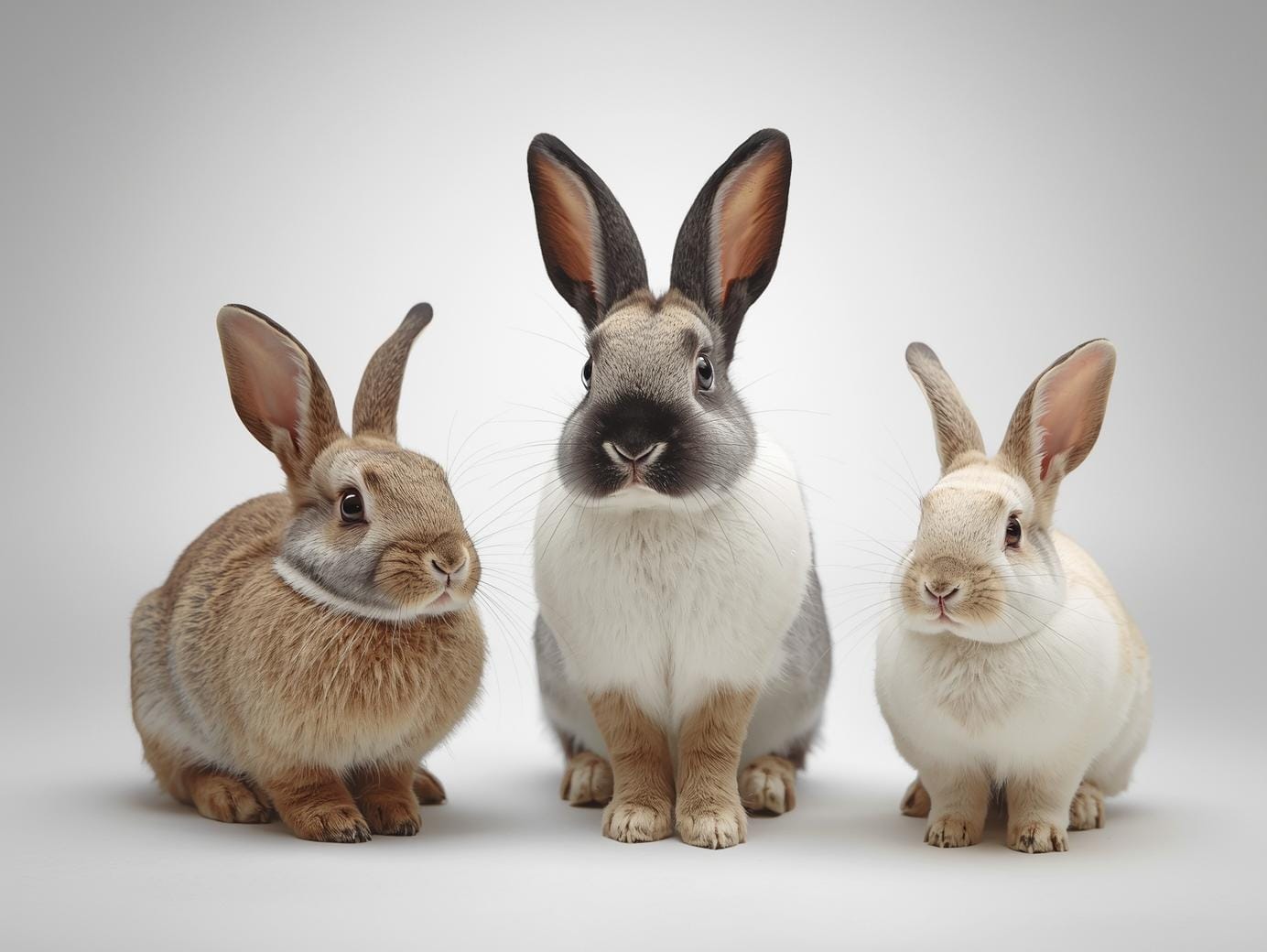
Have you ever watched a rabbit hop around and wondered just how many years of joy these fluffy companions can bring into your life? Whether you’re considering adopting a bunny or you’re already a proud rabbit parent, understanding how long rabbits live is crucial for providing the best care possible. Think of it this way: caring for a rabbit is like tending a garden—with the right environment, nutrition, and attention, your furry friend can flourish for many wonderful years.
The truth is, rabbit lifespans vary dramatically based on numerous factors, from breed and living conditions to diet and healthcare. While some rabbits may live only a handful of years, others can become cherished family members for well over a decade. In this comprehensive guide, we’ll explore everything you need to know about rabbit longevity, helping you understand what influences their lifespan and how you can maximize those precious years together.
Table of Contents
| Sr# | Headings |
|---|---|
| 1 | Understanding the Average Lifespan of Rabbits |
| 2 | Domestic Rabbit Lifespan vs Wild Rabbit Lifespan |
| 3 | Rabbit Breed Lifespan Chart: Which Breeds Live Longest? |
| 4 | Indoor vs Outdoor Rabbit Lifespan: What’s the Difference? |
| 5 | How to Increase Rabbit Lifespan Through Proper Care |
| 6 | The Best Diet for Rabbit Longevity |
| 7 | Common Rabbit Health Issues That Affect Lifespan |
| 8 | Creating the Best Habitat for Rabbit Lifespan |
| 9 | Caring for Aging Rabbits: What to Expect |
| 10 | Signs of Aging in Rabbits |
| 11 | End of Life Rabbit Care |
Understanding the Average Lifespan of Rabbits
So, how long do rabbits live on average? The average lifespan of rabbits typically ranges between 8 to 12 years when kept as domestic pets with proper care. However, this number isn’t set in stone—it’s more like a general guideline that can shift dramatically based on various factors.
Domestic rabbits generally outlive their wild counterparts by a significant margin. Why? Simply put, they’re protected from predators, receive regular veterinary care, enjoy consistent nutrition, and live in controlled environments. It’s similar to how humans living in modern societies with access to healthcare tend to live longer than those without such advantages.
Key factors influencing rabbit lifespan include:
- Breed and genetics – Some breeds are naturally hardier than others
- Living environment – Indoor versus outdoor housing
- Diet quality – Proper nutrition is absolutely essential
- Healthcare access – Regular vet check-ups and preventive care
- Exercise opportunities – Physical activity keeps rabbits healthy
- Stress levels – A calm environment promotes longevity
The longest-living rabbits on record have reached ages of 18 years or more, though these cases are exceptional. With advances in veterinary medicine and increased awareness about proper rabbit care, more bunnies are reaching their teens than ever before.
Domestic Rabbit Lifespan vs Wild Rabbit Lifespan
The difference between domestic rabbit lifespan and wild rabbit lifespan is stark and telling. Understanding this contrast helps us appreciate just how much proper care matters.
Domestic Rabbit Lifespan: When cared for properly, domestic rabbits typically live 8-12 years, with many reaching 10+ years. Some well-cared-for rabbits have even celebrated their 15th or 16th birthdays. The domestic vs wild rabbit lifespan comparison shows that house rabbits can live nearly ten times longer than their wild cousins.
Wild Rabbit Lifespan: In contrast, how long do wild rabbits live? The answer might surprise you. Wild rabbits typically survive only 1-2 years in their natural habitat. The wild rabbit survival rate is remarkably low—studies suggest that fewer than 10% of wild rabbits make it past their first year.
Why such a dramatic difference?
- Predation – Wild rabbits face constant threats from foxes, hawks, coyotes, and other predators
- Disease – Viruses like myxomatosis and RHDV devastate wild populations
- Weather exposure – Harsh winters and extreme temperatures take their toll
- Food scarcity – Wild rabbits must forage for every meal, sometimes unsuccessfully
- Parasites – Untreated parasitic infections weaken wild rabbits significantly
The domestic vs wild rabbit lifespan comparison clearly demonstrates that a safe, nurturing environment with proper nutrition and healthcare dramatically extends a rabbit’s years.
Rabbit Breed Lifespan Chart: Which Breeds Live Longest?
Not all rabbit breeds age equally. The rabbit breed lifespan chart reveals fascinating differences among various breeds, helping prospective owners make informed decisions.
Longest Living Rabbit Breeds:
Small Breeds (8-12+ years):
- Netherland Dwarf – 10-12 years
- Mini Rex – 8-10 years
- Holland Lop – 7-10 years
- Polish Rabbit – 8-10 years
Medium Breeds (6-10 years):
- Dutch Rabbit – 7-10 years
- Rex Rabbit – 8-10 years
- Havana Rabbit – 7-9 years
- English Spot – 7-9 years
Large Breeds (5-8 years):
- Flemish Giant – 5-8 years
- French Lop – 5-7 years
- Giant Chinchilla – 5-8 years
- New Zealand – 5-8 years
The Dwarf Rabbit Lifespan Advantage:
You might notice that dwarf rabbit lifespan tends to be longer than larger breeds. This pattern mirrors what we see in dogs—smaller breeds typically outlive larger ones. The longest living rabbit breeds are generally the smaller varieties, with Netherland Dwarfs and Mini Rex rabbits frequently reaching 10-12 years.
Why do smaller rabbits live longer? Larger rabbits experience more stress on their organs and skeletal systems, potentially leading to earlier health complications. However, this doesn’t mean large breeds can’t live long, fulfilling lives with excellent care.
Indoor vs Outdoor Rabbit Lifespan: What’s the Difference?
The debate between indoor vs outdoor rabbit lifespan is crucial for any rabbit owner. Where your bunny lives significantly impacts how many years they’ll spend with you.
Indoor Rabbit Benefits:
Rabbits living indoors typically enjoy longer lifespans, often reaching 10-12 years or more. Why?
- Climate control – No extreme temperatures or weather exposure
- Predator protection – Complete safety from hawks, foxes, and other threats
- Disease prevention – Less exposure to parasites and wild pathogens
- Social interaction – More bonding time with family members
- Early illness detection – You’ll notice health changes faster when your rabbit is nearby
Outdoor Rabbit Challenges:
Outdoor rabbits face numerous hazards that can shorten their lives:
- Temperature fluctuations – Rabbits are sensitive to heat (above 75°F) and cold
- Predator stress – Even if predators can’t reach them, the stress of nearby threats affects health
- Parasite exposure – Flies, mosquitoes, fleas, and ticks pose serious risks
- Limited supervision – Health issues may go unnoticed longer
- Weather hazards – Rain, wind, and humidity create health challenges
The Compromise Solution:
Many owners find success with a hybrid approach—giving rabbits a secure outdoor space for daytime exercise while bringing them inside for nights and extreme weather. This provides environmental enrichment while maintaining safety.
The bottom line: Indoor rabbits statistically live 2-4 years longer than exclusively outdoor rabbits, making housing location one of the most impactful decisions you’ll make for your bunny’s longevity.
How to Increase Rabbit Lifespan Through Proper Care
Want to know how to increase rabbit lifespan? The good news is that many longevity factors are entirely within your control. Let’s explore proven strategies that can add years to your rabbit’s life.
Veterinary Care:
- Regular check-ups – Annual exams catch problems early
- Spaying/neutering – Reduces cancer risk and behavioral issues
- Dental care – Rabbit teeth grow continuously and need monitoring
- Vaccinations – Where available, protect against deadly diseases
Environmental Enrichment:
- Mental stimulation – Provide toys, tunnels, and foraging opportunities
- Social interaction – Rabbits are social creatures who thrive with companionship
- Exercise space – Minimum 3-4 hours daily outside their enclosure
- Safe exploration – Bunny-proof areas for supervised roaming
Stress Reduction:
- Quiet environment – Avoid loud noises and chaotic households
- Consistent routine – Rabbits feel secure with predictable schedules
- Proper handling – Learn correct techniques to avoid injury and fear
- Hiding spots – Provide safe spaces where rabbits can retreat
Hygiene and Cleanliness:
- Regular cleaning – Clean enclosures prevent disease
- Grooming – Regular brushing prevents hairballs and matting
- Nail trimming – Overgrown nails cause discomfort and mobility issues
- Parasite prevention – Regular flea and mite treatments when needed
The Rabbit Cage Size for Longevity:
Never underestimate the importance of rabbit cage size for longevity. Your rabbit’s enclosure should be at least 4-6 times their body length, allowing them to hop comfortably. Cramped conditions lead to obesity, depression, and skeletal problems—all lifespan reducers.
The Best Diet for Rabbit Longevity
Nutrition is absolutely foundational when discussing rabbit diet for long life. What you feed your bunny directly impacts their health, happiness, and lifespan.
The Foundation: Unlimited Hay
Best food for rabbit longevity starts with hay—specifically timothy hay, orchard grass, or other grass hays. Hay should comprise 80-85% of your rabbit’s diet. It provides:
- Fiber for digestive health – Prevents dangerous GI stasis
- Dental wear – Keeps constantly-growing teeth properly maintained
- Mental enrichment – Natural foraging behavior
- Weight management – Low calorie but filling
Fresh Vegetables (Daily Servings):
Offer 2-3 cups of fresh vegetables daily per 6 pounds of body weight. Best choices include:
- Leafy greens – Romaine lettuce, cilantro, basil, parsley
- Other vegetables – Bell peppers, carrots (sparingly), celery, cucumber
- Variety is key – Rotate vegetables to provide diverse nutrients
Pellets (Limited Amounts):
High-quality rabbit pellets should be limited to 1/4 cup per 6 pounds of body weight daily. Choose pellets with:
- High fiber content (minimum 18%)
- Limited protein (12-14%)
- No added seeds, nuts, or colored pieces
Fresh Water (Always Available):
Provide unlimited fresh, clean water. Dehydration causes serious health problems and can shorten lifespan significantly.
Rabbit Vitamins for Long Life:
Most rabbits don’t need rabbit vitamins for long life supplements if eating a proper diet. However, senior rabbits or those with specific health conditions might benefit from veterinarian-recommended supplements.
Unhealthy Foods That Shorten Rabbit Lifespan:
Avoid these unhealthy foods that shorten rabbit lifespan:
- Processed treats – Yogurt drops, honey sticks, seed bars
- High-sugar foods – Excess fruit, crackers, bread
- Toxic plants – Avocado, rhubarb, potato leaves, tomato plants
- High-starch vegetables – Corn, peas, beans in large amounts
- Human snacks – Cookies, chips, chocolate (extremely toxic)
Remember: diet-related issues like obesity, dental disease, and GI stasis are among the top killers of domestic rabbits. Getting nutrition right is non-negotiable for longevity.
Common Rabbit Health Issues That Affect Lifespan
Understanding common rabbit health issues helps you recognize problems early and seek treatment promptly—often the difference between life and death.
GI Stasis (Gastrointestinal Stasis):
This life-threatening condition occurs when the digestive system slows or stops. Signs include:
- Loss of appetite
- Reduced or absent fecal pellets
- Lethargy and hunched posture
- Teeth grinding from pain
Prevention: High-fiber diet, adequate hydration, regular exercise, stress management
Dental Disease:
Rabbit teeth never stop growing. Malocclusion (misaligned teeth) causes:
- Difficulty eating
- Weight loss
- Drooling and facial abscesses
- Eye discharge
Prevention: Unlimited hay, regular dental checks, proper genetics
E. cuniculi (Encephalitozoonosis):
This parasitic infection affects the nervous system and kidneys:
- Head tilt
- Loss of balance
- Urinary incontinence
- Seizures
Prevention: Avoid contaminated water, maintain clean environments, consider preventive medication
Respiratory Infections:
“Snuffles” and other respiratory issues cause:
- Nasal discharge
- Sneezing
- Difficulty breathing
- Eye discharge
Prevention: Good ventilation, avoid temperature extremes, quarantine new rabbits
Uterine Cancer:
Unspayed female rabbits have up to 80% risk of developing uterine cancer by age 5-6. Spaying eliminates this risk and significantly extends lifespan.
Myxomatosis and RHDV:
These viral diseases are often fatal. Outdoor rabbits face higher exposure risk. Vaccinations are available in some regions.
Early Detection Saves Lives:
Regular veterinary visits and daily observation help catch these common rabbit health issues before they become life-threatening. Many rabbits hide illness until it’s advanced—stay vigilant.
Creating the Best Habitat for Rabbit Lifespan
The best habitat for rabbit lifespan combines safety, comfort, and enrichment. Your rabbit’s living space directly impacts their physical and mental health.
Indoor Housing Essentials:
Enclosure Requirements:
- Minimum size: 12 square feet for small rabbits, 16+ for larger breeds
- Height: At least 24 inches for comfortable standing
- Flooring: Solid surfaces, not wire (causes sore hocks)
- Litter area: Dedicated corner for bathroom habits
Exercise Space:
- Daily freedom: 3-4+ hours outside enclosure
- Rabbit-proofed area: Covered wires, removed toxic plants
- Climbing opportunities: Ramps, boxes, cat trees
- Hiding spots: Tunnels, cardboard boxes, fabric tents
Environmental Factors:
Temperature Control:
- Ideal range: 60-70°F (15-21°C)
- Danger zones: Below 40°F or above 75°F
- Humidity: 30-70% relative humidity
- Air circulation: Good ventilation without drafts
Lighting:
- Natural cycle: 12-14 hours of light daily
- Dim evening hours: Mimics natural sunset
- Complete darkness: At night for proper rest
Outdoor Enclosures (If Used):
If housing rabbits outdoors:
- Predator-proof construction: Buried wire, secure latches, solid roof
- Weather protection: Waterproof shelter, windbreaks, shade
- Temperature monitoring: Bring indoors during extremes
- Elevated platforms: Keeps rabbits off cold/hot ground
- Multiple hiding spots: Security from aerial predators
Social Housing:
Rabbits are social animals. Best habitat for rabbit lifespan often includes a bonded companion (after proper introduction). Pairs or groups of spayed/neutered rabbits typically live longer, happier lives than solitary bunnies.
Caring for Aging Rabbits: What to Expect
As your rabbit enters their senior years (typically 5-7 years depending on breed), caring for aging rabbits requires special attention and adjustments.
Physical Changes:
Your senior rabbit may experience:
- Decreased mobility – Arthritis makes jumping difficult
- Weight fluctuations – Either loss or gain
- Thinner fur – Less dense coat, possible bald patches
- Dental issues – More frequent tooth problems
- Decreased grooming – May need assistance with cleanliness
Healthcare Adjustments:
Increased Veterinary Visits:
- Switch to twice-yearly check-ups for seniors
- Regular blood work monitors organ function
- Dental exams become more critical
- Pain management assessment for arthritis
Medication Needs:
- Pain relief – For arthritis and other chronic conditions
- Heart medications – If cardiac issues develop
- Supplements – Glucosamine for joint health (vet-approved)
Environmental Modifications:
Make life easier for your aging bunny:
- Lower entry points – Ramps instead of jumps
- Softer bedding – Extra padding for arthritic joints
- Multiple litter boxes – Placed conveniently around living space
- Easier food access – Raised dishes if bending is difficult
- Non-slip surfaces – Prevent falls and injuries
Nutritional Adjustments:
Senior rabbits may need:
- Softer hay varieties – If dental issues make chewing difficult
- Higher-quality pellets – Sometimes increased amounts if losing weight
- Easier-to-chew vegetables – Cut smaller or slightly softened
- Additional water sources – Multiple locations encourage hydration
Emotional Support:
Senior rabbits benefit from:
- More frequent interaction – Gentle petting and companionship
- Consistent routine – Changes are more stressful for elderly bunnies
- Patience – They move slower and need extra time
- Warmth – Senior rabbits feel cold more easily
Caring for aging rabbits is a labor of love, but these golden years can be incredibly rewarding. Many senior rabbits remain playful and affectionate well into their teens with proper support.
Signs of Aging in Rabbits
Recognizing signs of aging in rabbits helps you distinguish normal senior changes from medical problems requiring veterinary attention.
Normal Aging Signs:
Physical Changes:
- Gray or white fur – Especially around the face and ears
- Cloudier eyes – Mild lenticular sclerosis (not cataracts)
- Thinner coat – Less dense fur, especially on belly
- Slight weight loss – Muscle mass decreases naturally
- Longer nails – Reduced activity means less natural wear
Behavioral Changes:
- Reduced activity – Less running, more resting
- Longer sleep periods – Senior rabbits nap more
- Slower eating – Takes longer to finish meals
- Less grooming – May develop matted areas
- Decreased jumping – Prefers ground-level activities
Mobility Changes:
- Stiffness – Especially after rest periods
- Hesitant movement – More cautious about terrain
- Reduced balance – Occasional wobbling
- Preference for sitting – Less standing on hind legs
Cognitive Changes:
- Slower response – Takes longer to react to sounds or calls
- Routine attachment – More resistant to changes
- Possible confusion – Occasionally seems disoriented
When to Worry:
These signs of aging in rabbits require immediate veterinary attention:
- Sudden weight loss (more than 10% body weight)
- Complete loss of appetite (longer than 12 hours)
- Severe difficulty moving or paralysis
- Head tilt or loss of balance
- Labored breathing or open-mouth breathing
- Bloated or hard abdomen
- Discharge from eyes, nose, or genital area
- Severe lethargy or unresponsiveness
Remember: rabbits instinctively hide illness. By the time symptoms are obvious, problems may be advanced. Trust your instincts—if something seems wrong, consult your veterinarian.
End of Life Rabbit Care
Perhaps the hardest aspect of rabbit ownership is end of life rabbit care. While deeply emotional, understanding this stage helps you provide dignity and comfort when your beloved companion needs it most.
Recognizing Terminal Decline:
Signs your rabbit may be nearing the end:
- Refusing food and water despite favorite treats
- Complete immobility or inability to stand
- Severe pain despite maximum medication
- Rapid, labored breathing constantly
- Total disorientation or unresponsiveness
- Complete loss of bodily functions
- Severe suffering with no quality of life
Quality of Life Assessment:
Ask yourself honestly:
- Can my rabbit still eat and drink?
- Are they in constant pain?
- Do they still show interest in surroundings?
- Can medications manage their symptoms?
- Are there more good days than bad days?
Palliative Care Options:
Comfort measures for terminal rabbits:
- Pain management – Maximum allowable pain medication
- Soft bedding – Extra padding prevents pressure sores
- Assisted feeding – Syringe feeding if they’ll accept it
- Gentle warmth – Heating pads on low setting
- Constant companionship – Your presence brings comfort
- Familiar surroundings – Keep them in known, safe spaces
The Euthanasia Decision:
This is never easy, but sometimes it’s the final act of love. Consider euthanasia when:
- Pain cannot be controlled
- Suffering outweighs quality moments
- Your rabbit has lost all interest in life
- Veterinarian recommends it
Euthanasia Process:
- Typically involves sedation followed by final injection
- Peaceful and painless for the rabbit
- You can usually stay with them throughout
- Takes only minutes from start to peaceful passing
Aftercare:
Grieving options:
- Cremation – Individual or communal, with or without ashes returned
- Burial – Home burial (where legal) or pet cemetery
- Memorial – Photos, paw print molds, memory boxes
- Support groups – Pet loss counseling and online communities
Coping with Loss:
Losing a rabbit is losing a family member. Allow yourself to grieve:
- Don’t let others minimize your loss
- Share memories with understanding friends
- Consider a memorial or ritual
- Give yourself time before deciding about future pets
End of life rabbit care is profound. You gave your bunny a wonderful life, and ensuring a peaceful, dignified end is the ultimate gift of love.
Conclusion
Understanding how long rabbits live empowers you to make informed decisions that maximize your bunny’s years and quality of life. From the average lifespan of rabbits (8-12 years) to the dramatic differences between domestic rabbit lifespan and wild counterparts, we’ve explored the many factors that influence rabbit longevity.
The key takeaways? How to increase rabbit lifespan comes down to fundamentals: proper diet (unlimited hay, fresh vegetables, limited pellets), excellent housing (indoor vs outdoor rabbit lifespan clearly favors indoor living), preventive healthcare, and awareness of common rabbit health issues. Whether you have a dwarf breed enjoying the typical dwarf rabbit lifespan of 10+ years or a gentle giant with a shorter timeframe, every rabbit deserves optimal care.
Remember that caring for aging rabbits and recognizing signs of aging in rabbits prepares you for the senior years, while understanding end of life rabbit care ensures dignity when that difficult time arrives. By following the guidance on rabbit diet for long life, avoiding unhealthy foods that shorten rabbit lifespan, and creating the best habitat for rabbit lifespan, you’re giving your furry companion their best shot at a long, healthy, happy life.
Your rabbit depends on you for everything—food, shelter, healthcare, and love. Make every year count, and your bunny will reward you with boundless joy, silly antics, and unconditional affection for many years to come.
Frequently Asked Questions (FAQs)
1. What is the average lifespan of a domestic rabbit compared to a wild rabbit?
The domestic rabbit lifespan typically ranges from 8-12 years with proper care, while wild rabbit lifespan averages only 1-2 years. Wild rabbits face constant threats from predators, disease, harsh weather, and food scarcity, while domestic rabbits enjoy protected environments, consistent nutrition, and veterinary care. This dramatic difference—often 5-10 times longer for domestic rabbits—highlights how profoundly environment and care impact rabbit longevity. The wild rabbit survival rate is remarkably low, with fewer than 10% surviving their first year, whereas well-cared-for house rabbits frequently reach double digits.
2. Which rabbit breeds live the longest?
The longest living rabbit breeds are typically smaller varieties, with dwarf and mini breeds leading the pack. Netherland Dwarfs often live 10-12 years, while Mini Rex and Polish rabbits average 8-10 years. The dwarf rabbit lifespan advantage occurs because smaller rabbits place less stress on organs and skeletal systems. Conversely, giant breeds like Flemish Giants typically live 5-8 years. However, individual care matters more than breed—a well-cared-for large rabbit can outlive a neglected small breed. According to the rabbit breed lifespan chart, medium breeds like Dutch and Rex rabbits fall in the middle, averaging 7-10 years.
3. How can I increase my rabbit’s lifespan?
To increase rabbit lifespan, focus on these proven strategies: provide unlimited grass hay, fresh vegetables, and limited pellets; maintain indoor vs outdoor rabbit lifespan advantages by keeping rabbits inside; ensure appropriate rabbit cage size for longevity (minimum 12 square feet); schedule annual veterinary check-ups; spay or neuter to prevent reproductive cancers; provide 3-4+ hours daily exercise; avoid unhealthy foods that shorten rabbit lifespan like processed treats and high-sugar items; maintain environmental temperatures between 60-70°F; offer mental stimulation through toys and companionship; and learn to recognize common rabbit health issues early for prompt treatment.
4. What are the most common health issues that affect rabbit lifespan?
The most common rabbit health issues include GI stasis (digestive system slowdown or stoppage), which is life-threatening and requires immediate veterinary care; dental disease from continuously growing teeth that become misaligned; respiratory infections like “snuffles”; E. cuniculi parasitic infections affecting neurological function; and reproductive cancers, especially uterine cancer in unspayed females (up to 80% risk by age 5-6). Other significant concerns include obesity from poor diet, arthritis in senior rabbits, and viral diseases like myxomatosis and RHDV in outdoor rabbits. Many of these conditions are preventable through proper rabbit diet for long life, regular vet visits, and appropriate housing.
5. Do indoor rabbits live longer than outdoor rabbits?
Yes, indoor vs outdoor rabbit lifespan statistics consistently show indoor rabbits live 2-4 years longer on average. Indoor rabbits enjoy climate-controlled environments protecting them from temperature extremes (rabbits are sensitive to heat above 75°F and cold below 40°F), complete predator protection, reduced parasite exposure, and closer monitoring allowing early illness detection. Outdoor rabbits face weather hazards, predator stress (even if secure), higher disease exposure, and flies that can cause deadly flystrike. While outdoor rabbits can live long lives with exceptional care, the best habitat for rabbit lifespan combines indoor housing with supervised outdoor exercise, providing safety while allowing natural behaviors and environmental enrichment.