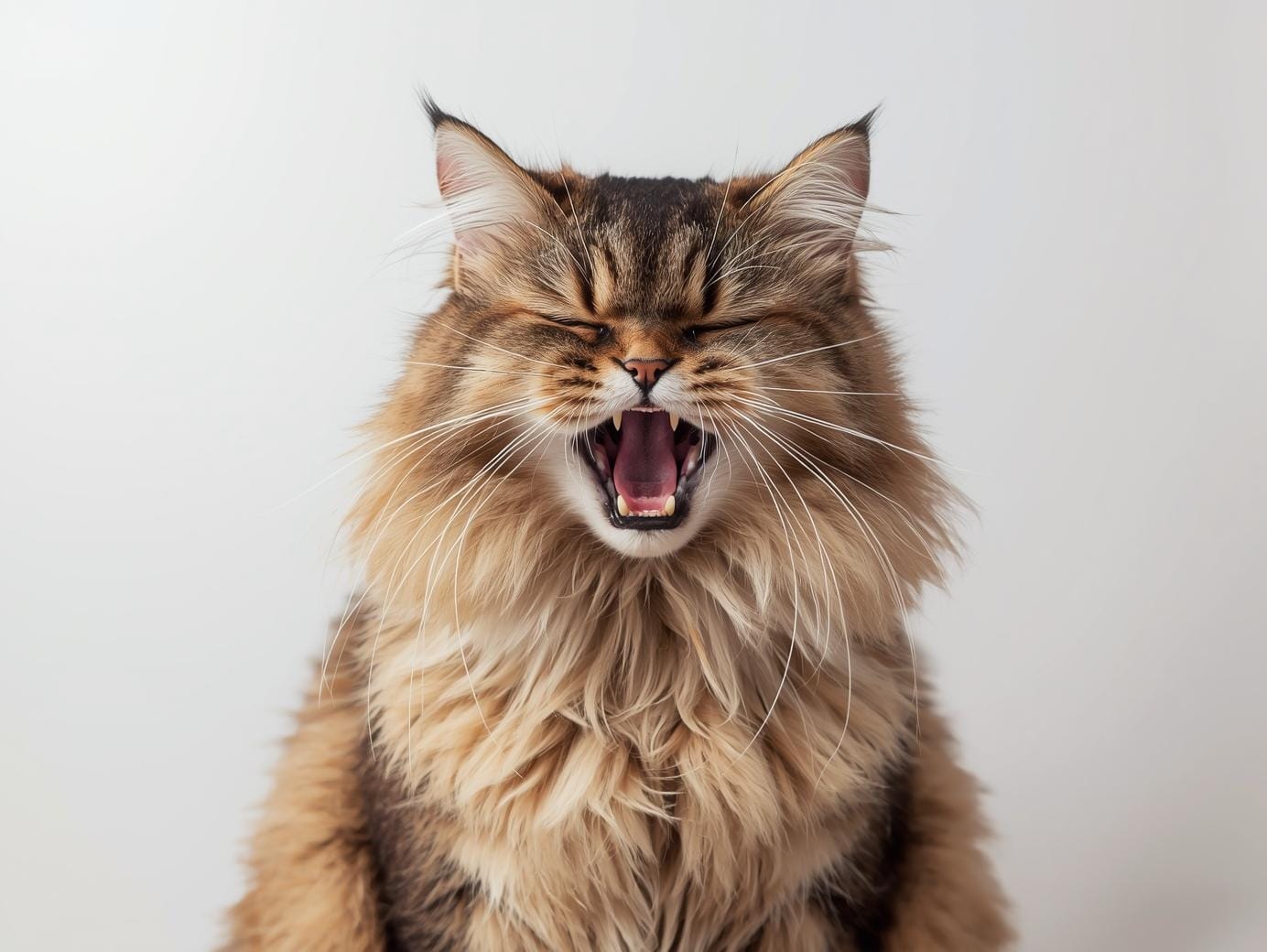
Understanding Why Your Cat is Sneezing a Lot
Have you noticed Why your cat sneezing a lot? While an occasional sneeze is perfectly normal for cats, frequent sneezing can leave pet owners feeling concerned and confused. Just like humans, cats sneeze for various reasons—some harmless, others requiring immediate veterinary attention. Understanding the difference between a simple tickle in the nose and a serious health issue is crucial for every cat parent.
In this comprehensive guide, we’ll explore everything you need to know about why your cat might be sneezing excessively, what signs to watch for, and how you can help your beloved pet feel better. Whether your cat has just started sneezing or has been dealing with this issue for a while, you’ll find practical advice and insights to navigate this common feline concern.
What Does Normal Cat Sneezing Look Like?
Before we dive into the concerning causes, let’s talk about what’s actually normal. Cats, like us, occasionally sneeze to clear their nasal passages. Think of it as their body’s natural defense mechanism—a quick, forceful expulsion of air that helps remove irritants from their nose.
A healthy cat might sneeze once or twice when dust particles tickle their nose, or when they encounter a sudden strong smell. This is completely natural and nothing to lose sleep over. However, when your cat starts sneezing repeatedly throughout the day, or when sneezing comes with other symptoms, that’s when your parental instincts should kick in.
Normal sneezing typically occurs sporadically, produces no discharge, and doesn’t affect your cat’s behavior, appetite, or energy levels. Your cat should still be their playful, curious self between sneezes.
Common Causes of Excessive Cat Sneezing
When your cat can’t seem to stop sneezing, several culprits might be at play. Let’s explore the most common reasons behind those frequent “achoos.”
Upper Respiratory Infections
Upper respiratory infections are probably the number one reason cats sneeze excessively. These infections are the feline equivalent of our common cold. They’re highly contagious among cats and can spread quickly, especially in multi-cat households or shelters.
These infections typically cause sneezing along with watery eyes, nasal discharge, and sometimes fever. Your cat might sound congested, lose interest in food because they can’t smell it properly, and seem generally under the weather. The good news? Most upper respiratory infections are treatable, though they require veterinary care to ensure proper recovery.
Kittens and cats with weakened immune systems are particularly vulnerable to these infections. If you’ve recently adopted a new cat or visited a place with multiple cats, this could explain the sudden onset of sneezing.
Allergies in Cats
Yes, cats can have allergies too! Just as you might sneeze during pollen season, your cat can react to various allergens in their environment. Common allergens include pollen, mold spores, dust mites, and even certain foods.
Allergic cats typically sneeze frequently, may have watery eyes, and might scratch or groom themselves excessively. You might notice these symptoms worsen during certain seasons or after introducing new products into your home. Unlike infections, allergies usually don’t cause fever or colored nasal discharge.
Think of allergies as your cat’s immune system overreacting to harmless substances. It’s like their body is sounding a false alarm, triggering sneezing as an unnecessary defense response.
Foreign Objects and Irritants
Curious by nature, cats sometimes get things stuck where they shouldn’t be. A blade of grass, a small seed, or even a piece of food can lodge itself in your cat’s nasal passage, causing persistent sneezing as your cat’s body tries to expel the foreign object.
This type of sneezing often starts suddenly and can be quite violent. Your cat might paw at their face, and you might notice them sneezing in a particular direction as they try to dislodge whatever’s bothering them. If you suspect something is stuck in your cat’s nose, don’t try to remove it yourself—head to the vet instead.
Dental Problems
This might surprise you, but dental issues can actually cause sneezing. The roots of your cat’s upper teeth sit very close to their nasal passages. When teeth become infected or abscessed, the infection can spread to the nasal area, triggering sneezing and nasal discharge.
Cats with dental disease might also have bad breath, drool excessively, or show reluctance to eat hard food. They might paw at their mouth or show signs of facial pain. It’s a reminder that dental health isn’t just about teeth—it affects multiple body systems.
Serious Health Conditions That Cause Sneezing
While many causes of cat sneezing are relatively benign, some conditions require immediate attention and ongoing treatment.
Feline Herpesvirus and Calicivirus
These viral infections are among the most common and contagious diseases affecting cats. Feline herpesvirus (FHV-1) and calicivirus (FCV) are major causes of upper respiratory disease in cats, and they’re particularly nasty because they can become chronic.
Cats infected with herpesvirus may experience recurring flare-ups throughout their lives, especially during stressful periods. Symptoms include frequent sneezing, eye discharge, conjunctivitis, and nasal congestion. Calicivirus can also cause mouth ulcers and joint pain.
While there’s no cure for these viruses, they’re manageable with supportive care and sometimes antiviral medications. Many cats live long, happy lives despite being herpesvirus carriers. Vaccination can help prevent these infections or reduce their severity.
Fungal Infections
Fungal infections are less common but can cause persistent sneezing and nasal discharge. Cryptococcosis and aspergillosis are two fungal infections that can affect cats’ nasal passages and sinuses.
These infections typically produce thick nasal discharge (sometimes bloody), facial swelling, and chronic sneezing. They’re more common in certain geographic areas and in cats with compromised immune systems. Fungal infections require specific antifungal medications and can take months to treat effectively.
Nasal Polyps and Tumors
Though relatively rare, growths in the nasal passages can cause chronic sneezing. Nasal polyps are benign growths that can obstruct airflow and irritate nasal tissues. They’re more common in younger cats and can often be surgically removed.
Nasal tumors, unfortunately, are more serious. They’re more common in older cats and can be either benign or malignant. Besides sneezing, you might notice facial deformity, chronic nasal discharge (often from one nostril), and nosebleeds.
Any persistent, one-sided nasal symptoms warrant immediate veterinary investigation, as early detection significantly improves treatment outcomes.
Environmental Factors Contributing to Cat Sneezing
Sometimes the problem isn’t with your cat—it’s with their surroundings. Let’s look at environmental triggers that might be causing those sneezes.
Dust and Household Cleaners
Your cleaning routine might be making your cat sneeze. Strong household cleaners, especially those containing ammonia or bleach, can irritate your cat’s sensitive nasal passages. Even the dust kicked up during cleaning can trigger sneezing fits.
Clay cat litter is another common culprit. The dust from clay litter becomes airborne every time your cat uses the litter box, and they breathe it directly into their nasal passages. Consider switching to a low-dust or dust-free litter if your cat sneezes frequently, especially after using their litter box.
Cigarette Smoke and Strong Fragrances
Secondhand smoke isn’t just harmful to humans—it’s equally damaging to cats. Cigarette smoke irritates the nasal passages and increases the risk of respiratory problems. Cats exposed to smoke are also at higher risk for certain cancers.
Similarly, strong perfumes, air fresheners, scented candles, and essential oils can trigger sneezing. While you might love that vanilla-scented candle, your cat’s sensitive nose finds it overwhelming. Their sense of smell is roughly 14 times stronger than ours, so what seems mild to you might be overpowering to them.
Seasonal Allergens
Just as humans deal with hay fever, cats can react to seasonal allergens. Tree pollen in spring, grass pollen in summer, and weed pollen in fall can all trigger allergic responses in sensitive cats.
You might notice your cat sneezes more during certain times of the year, particularly when pollen counts are high. Indoor cats can still be affected because pollen enters through open windows and gets carried in on our clothing.
When Should You Worry About Your Cat’s Sneezing?
Not every sneeze requires a vet visit, but certain signs should send you straight to the clinic. Here’s how to tell when sneezing has crossed from normal to concerning.
Warning Signs That Need Immediate Attention
If your cat’s sneezing is accompanied by any of the following symptoms, don’t wait—contact your veterinarian right away. These signs often indicate a serious condition that needs professional treatment.
Blood in Nasal Discharge
Any blood coming from your cat’s nose is a red flag. While a tiny amount of blood-tinged discharge might occur with severe sneezing or minor irritation, frank bleeding or consistent bloody discharge suggests something more serious—possibly a foreign object, infection, tumor, or blood clotting disorder.
Difficulty Breathing
If your cat is struggling to breathe, breathing through their mouth, or showing rapid, labored breathing, this is an emergency. Severe nasal congestion can compromise breathing, especially since cats prefer to breathe through their noses. Wheezing, gasping, or open-mouth breathing requires immediate veterinary attention.
Loss of Appetite and Lethargy
When sneezing comes with decreased appetite, weight loss, and lethargy, it signals that your cat isn’t just dealing with a minor irritation. Cats rely heavily on their sense of smell to stimulate appetite, so when they’re congested, they often stop eating. Going more than 24 hours without eating can lead to serious complications in cats.
Other concerning signs include fever, dehydration, discharge from both eyes and nose (especially if it’s thick, colored, or has an odor), facial swelling, repeated sneezing fits that seem painful, depression or hiding behavior, and sneezing that persists for more than a few days.
How to Diagnose the Cause of Cat Sneezing
When you take your sneezing cat to the veterinarian, they’ll perform a thorough examination to identify the underlying cause. Understanding this process can help you prepare for your visit and know what to expect.
Your vet will start with a detailed history, asking about the duration and frequency of sneezing, any other symptoms you’ve noticed, your cat’s vaccination status, exposure to other cats, recent changes in the home environment, and diet. Be as specific as possible—details matter.
The physical examination will focus on your cat’s nasal passages, mouth, teeth, eyes, and lymph nodes. Your vet will listen to your cat’s lungs and heart, check their temperature, and assess their overall condition.
Depending on what they find, your vet might recommend additional tests. These could include blood work to check for infections or immune system problems, nasal swabs or cultures to identify bacteria or viruses, dental X-rays if tooth problems are suspected, imaging studies like X-rays or CT scans to visualize the nasal passages and sinuses, rhinoscopy (using a small camera to look inside the nasal passages), or biopsy of any suspicious masses or tissue.
Don’t be alarmed if your vet recommends extensive testing. Finding the exact cause is crucial for providing the right treatment.
Home Remedies and Care for a Sneezing Cat
While professional veterinary care is essential for diagnosis and treatment, there are several things you can do at home to make your sneezing cat more comfortable.
First, create a calm, stress-free environment. Stress weakens the immune system, making cats more susceptible to infections and causing flare-ups in cats with chronic conditions. Provide quiet spaces where your cat can rest undisturbed.
Humidity can work wonders for congested cats. Run a humidifier near where your cat rests, or create a steam room by running a hot shower and sitting with your cat in the steamy bathroom (not in the shower itself!) for 10-15 minutes. The moisture helps loosen mucus and soothe irritated nasal passages.
Keep your cat’s face clean by gently wiping away any discharge with a warm, damp cloth. This prevents crust buildup and helps your cat breathe more easily. Be gentle—their nose is tender and sore from all that sneezing.
Encourage eating by offering strongly scented foods. Warming food slightly intensifies its aroma, making it more appealing to a congested cat. You might also try particularly smelly foods like tuna or sardines (in moderation) to tempt their appetite.
Ensure your cat stays hydrated. Illness and reduced appetite can lead to dehydration. Make sure fresh water is always available, and consider offering wet food or even low-sodium chicken broth to increase fluid intake.
Minimize exposure to irritants by avoiding smoking around your cat, using unscented or low-dust litter, choosing fragrance-free cleaning products, keeping your home clean but avoiding harsh chemicals, and removing air fresheners and scented candles.
Veterinary Treatments for Excessive Sneezing
Treatment depends entirely on what’s causing the sneezing. Your veterinarian will tailor the treatment plan to your cat’s specific diagnosis.
For bacterial infections, antibiotics are typically prescribed. It’s crucial to complete the entire course, even if your cat seems better, to prevent antibiotic resistance and recurrence.
Viral infections don’t respond to antibiotics, but supportive care can help your cat’s immune system fight off the virus. This might include fluids for hydration, nutritional support, eye medications if eyes are affected, and antiviral medications like famciclovir for herpesvirus infections.
Allergies might be managed with antihistamines, corticosteroids to reduce inflammation, and identifying and eliminating allergens when possible. Some cats benefit from immunotherapy (allergy shots) for long-term control.
Foreign objects require removal, usually under sedation or anesthesia. Once removed, your cat should improve quickly, though they might need antibiotics if infection has developed.
Fungal infections need antifungal medications, which may be given orally or sometimes applied directly to the nasal passages. Treatment can be lengthy—often several months.
Nasal polyps or tumors may require surgical removal. Depending on the type and location, additional treatments like radiation therapy might be recommended for tumors.
Dental disease requires professional dental cleaning and possibly tooth extraction if teeth are severely infected. Once dental health is restored, the sneezing should resolve.
Preventing Future Sneezing Episodes
Prevention is always better than treatment. While you can’t prevent every cause of sneezing, these strategies can minimize your cat’s risk.
Keep vaccinations current. Core vaccines protect against some of the viruses that cause upper respiratory infections. Follow your vet’s recommended vaccination schedule, especially if your cat goes outdoors or is exposed to other cats.
Maintain good hygiene by regularly cleaning food and water bowls, scooping the litter box daily and changing litter completely each week, washing bedding regularly, and disinfecting surfaces, especially if you have multiple cats.
Minimize stress through consistent routines, providing adequate resources (separate food, water, and litter areas in multi-cat homes), offering enrichment like toys and climbing spaces, and using pheromone diffusers if your cat is particularly anxious.
Schedule regular veterinary check-ups. Annual or semi-annual exams catch problems early, before they become serious. Older cats should see the vet more frequently—every six months is ideal for cats over seven years old.
Keep your home environment clean but not overly sanitized. Dust regularly, vacuum frequently using a vacuum with a HEPA filter, maintain good ventilation, and avoid overwhelming chemical scents.
If you have multiple cats, quarantine new arrivals for at least two weeks before introducing them to resident cats. This prevents the spread of infectious diseases.
Monitor your cat’s health closely. You know your cat better than anyone else. Any changes in behavior, appetite, or appearance deserve attention. Early intervention prevents minor issues from becoming major problems.
Conclusion
Watching your beloved cat sneeze repeatedly can be worrying, but understanding the potential causes empowers you to take appropriate action. While occasional sneezing is perfectly normal, persistent or severe sneezing—especially when accompanied by other symptoms—warrants veterinary attention.
Remember that cats are masters at hiding illness. By the time they show obvious symptoms, they’ve often been sick for a while. Don’t hesitate to consult your veterinarian if something doesn’t feel right. Your instincts as a pet parent are valuable.
Most causes of cat sneezing are treatable, especially when caught early. Whether your cat is dealing with a simple irritant, an infection, or something more complex, appropriate veterinary care combined with supportive home care can have them feeling better soon. Your cat depends on you to recognize when they need help—and now you’re equipped with the knowledge to do exactly that.
FAQs
1. How many sneezes are too many for a cat?
There’s no magic number, but if your cat sneezes more than a few times per day, especially if it’s happening consistently for several days, that’s worth investigating. Context matters too—isolated sneezing fits after cleaning or using the litter box might be environmental, but constant sneezing throughout the day suggests a health issue. If you’re counting your cat’s sneezes, it’s probably time to call the vet.
2. Can cat sneezing be contagious to other cats or humans?
Cat sneezing caused by feline viruses like herpesvirus and calicivirus is highly contagious to other cats but not to humans. These diseases spread through direct contact, shared food bowls, and airborne droplets from sneezing. If you have multiple cats and one is sneezing, isolate the sick cat and thoroughly disinfect shared spaces. The good news? You can’t catch a cold from your cat, and they can’t catch yours.
3. Should I take my cat to the emergency vet for sneezing?
Most sneezing doesn’t require emergency care, but certain situations do. Head to an emergency vet if your cat is having difficulty breathing, has blood pouring from their nose, shows severe lethargy or collapse, hasn’t eaten in 24 hours or more, has blue or pale gums, or exhibits extreme distress. For regular sneezing without these emergency signs, a same-day or next-day appointment with your regular vet is usually appropriate.
4. Can changing cat food help with sneezing?
If your cat’s sneezing is caused by a food allergy, changing their diet might help, though food allergies more commonly cause skin problems than respiratory symptoms. However, feeding high-quality food supports overall immune health, which can help your cat fight off infections. If you suspect food allergies, work with your vet to try an elimination diet or hypoallergenic food. Never change your cat’s diet abruptly, as this can cause digestive upset.
5. Is it normal for kittens to sneeze more than adult cats?
Kittens do tend to sneeze more frequently than adult cats, partly because their immune systems are still developing and they’re more susceptible to upper respiratory infections. If you’ve recently adopted a kitten from a shelter or multi-cat environment, some sneezing isn’t unusual. However, excessive sneezing, nasal discharge, eye problems, or decreased appetite should still be evaluated by a vet. Young kittens can deteriorate quickly when sick, so err on the side of caution.
Please don’t forget to leave a review.