Understanding Your Car Battery’s Lifespan
Ever wonder why your car won’t start on a cold winter morning? Or why that battery that seemed perfectly fine last month suddenly leaves you stranded? The truth is, your car battery has an expiration date, and understanding how long does a car battery last and save you from unexpected headaches and expensive roadside assistance calls. Think of a car battery like a rechargeable phone battery—it doesn’t last forever, and its lifespan depends on several factors working together.
What Exactly Is a Car Battery?
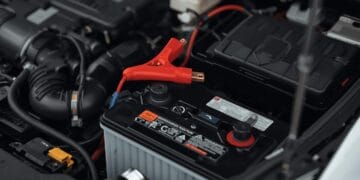
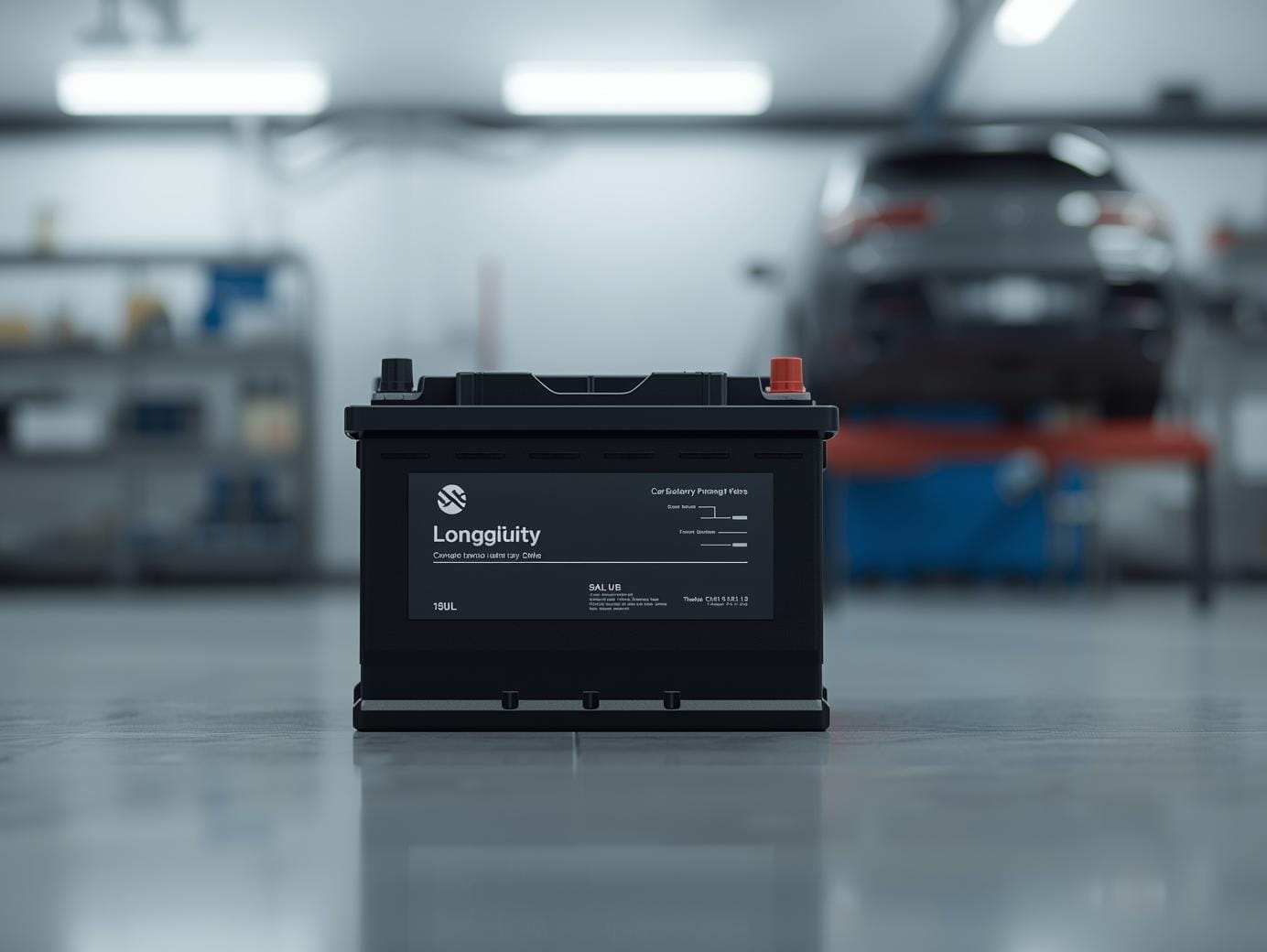
Before we dive into longevity, let’s understand what we’re talking about. Your car battery is essentially an electrochemical device that stores electrical energy and provides the power needed to start your engine, run your lights, and power all your vehicle’s electrical systems. Most modern vehicles use lead-acid batteries, which have been the industry standard for decades. These batteries contain lead plates, sulfuric acid, and various internal components designed to handle the demands of your vehicle’s electrical system.
The Basic Components
A typical car battery consists of six cells connected in series, each producing about 2 volts for a total of 12 volts in most passenger vehicles. Inside each cell, chemical reactions occur that create electrical energy. Pretty straightforward, right? Well, the magic happens when these chemical reactions can no longer sustain themselves—that’s when your battery dies.
How Long Do Car Batteries Typically Last?
Here’s the million-dollar question: how long can you expect your car battery to stick around? On average, most car batteries last between three to five years. However, this isn’t a hard and fast rule. Some batteries might give up the ghost in just two years, while others soldier on for seven years or more. The variation depends heavily on your driving habits, climate conditions, and how well you maintain your battery.
The Three to Five Year Standard
The three to five year timeframe is what manufacturers and automotive experts generally agree upon as the typical lifespan for a standard lead-acid car battery. This estimate comes from real-world usage data and accounts for normal driving patterns and regular vehicle use. Think of it as the “expected” battery life under normal conditions.
Factors That Can Shorten Battery Life
If you live in a hot climate, your battery might not last as long. Heat accelerates the chemical reactions inside your battery, causing it to degrade faster. Similarly, if you frequently take short trips without allowing your battery to fully recharge, or if you leave your lights on when the engine is off, you’re putting extra strain on the battery. It’s like constantly running a marathon without proper rest—eventually, you’ll burn out.
Climate and Temperature Effects on Battery Longevity
Temperature is perhaps the single most critical factor affecting how long your car battery lasts. Your battery operates optimally in moderate temperatures, but extreme heat or cold can significantly reduce its lifespan.
Hot Climate Battery Degradation
In hot climates, batteries typically last shorter—sometimes only two to three years instead of the standard three to five. High temperatures speed up the chemical degradation inside the battery. The extreme heat causes the battery’s internal components to deteriorate more rapidly, and the electrolyte (the sulfuric acid mixture) can evaporate, reducing the battery’s effectiveness. If you live in Arizona, Florida, or anywhere with consistently hot summers, expect your battery to need replacement sooner rather than later.
Cold Climate Challenges
Cold weather presents a different challenge. While cold temperatures don’t necessarily shorten a battery’s lifespan permanently, they do make it much harder for your battery to function efficiently. When it’s freezing outside, the chemical reactions inside your battery slow down significantly, reducing the power output when you need it most. This is why so many people experience battery issues during winter months. Cold doesn’t permanently damage the battery, but it can mask underlying problems and make a weak battery completely unable to start your vehicle.
Driving Habits and Battery Lifespan
How you drive and how often you drive plays a surprisingly significant role in determining your battery’s longevity. Your driving habits can either extend or shorten your battery’s life considerably.
Short Trips and Frequent Starting
If you’re someone who takes lots of short trips around town without ever really getting the engine to proper operating temperature, your battery never gets a full charge. Starting your engine requires a massive power draw from the battery, and if you’re doing this repeatedly without long drives to recharge it, the battery gets stressed. It’s comparable to turning a light switch on and off repeatedly—you’re not really using the device for its intended purpose, and you’re wearing it out unnecessarily.
Highway Driving and Battery Health
Highway driving, on the other hand, is generally better for battery health. When you’re driving at consistent speeds over longer distances, your alternator (the device that recharges your battery while the engine runs) can do its job effectively. Your battery gets a proper charge, and it operates under relatively stable conditions. If most of your driving consists of highway miles, your battery will likely last longer than if you’re constantly starting and stopping in city traffic.
Signs Your Car Battery Is Starting to Fail
Before your battery completely dies and leaves you stranded, it usually sends out warning signs. Learning to recognize these signs can help you replace your battery before it fails completely.
Slow Engine Cranking
One of the first signs that your battery is losing its ability to hold a charge is slow engine cranking. If your engine turns over more slowly than usual when you turn the key, your battery might be getting weak. This is often more noticeable in cold weather because cold reduces the battery’s effectiveness anyway, but if you notice significantly slower cranking, it’s time to consider a battery test.
Dim Headlights and Electrical Issues
If your headlights seem dimmer than usual, or if you notice that your power windows, radio, or other electrical components aren’t working as well as they should, your battery might be the culprit. A weak battery can’t supply adequate power to all your vehicle’s electrical systems simultaneously, causing them to function poorly.
Warning Lights and Battery Indicator
Many modern vehicles have a battery warning light on the dashboard that looks like a battery symbol. If this light comes on, it’s telling you that your alternator isn’t charging your battery properly, or that your battery itself is failing. Don’t ignore this light—it’s your vehicle’s way of asking for help.
The Rotten Egg Smell
A distinctive rotten egg smell around your battery could indicate a problem with the battery acid or a cracked battery case. This is a more serious issue and should be addressed immediately, as leaking battery acid is dangerous and can damage your vehicle.
How Your Alternator Affects Battery Lifespan
Your battery doesn’t just power your car—it gets recharged while your vehicle runs. Your alternator is responsible for this charging process, and if your alternator isn’t working properly, your battery will fail prematurely.
The Alternator’s Critical Role
The alternator is essentially a mini-generator that produces electrical current while your engine runs. This current recharges your battery and powers your vehicle’s electrical systems. If your alternator is failing, your battery won’t get a proper charge, and it will quickly deplete. It’s like trying to fill a bucket with a leaking faucet—no matter how long you leave the water running, the bucket won’t stay full.
Signs of Alternator Problems
If your battery keeps dying even after being replaced, or if you notice that your battery is consistently undercharged, your alternator might be the real culprit. Getting your alternator tested when you notice these issues can save your battery from unnecessary wear.
Extreme Weather and Battery Emergencies
Severe weather events can put tremendous stress on your battery and potentially shorten its lifespan or cause immediate failure.
Winter Storm Battery Challenges
During harsh winter storms, your battery is working overtime. You’re running the heater, the defroster, the headlights, and possibly the seat warmers all at once, while cold temperatures are already reducing the battery’s efficiency. If you’re parked outside in freezing conditions with the engine off, your battery is slowly losing its charge in the cold.
Summer Heat and Battery Stress
Similarly, summer heat puts stress on your battery. The heat accelerates the rate at which water in the battery evaporates, and the chemical reactions inside the battery speed up, which can cause the battery to degrade faster.
Battery Maintenance Tips to Extend Lifespan
While you can’t stop your battery from aging, you can take steps to help it last as long as possible. Proper maintenance can add months or even years to your battery’s life.
Keep Your Battery Clean
Over time, corrosion can build up on your battery terminals—those connection points on top of the battery. This corrosion prevents proper electrical flow and makes your battery work harder. Periodically cleaning off corrosion with a mixture of baking soda and water can help maintain good electrical connections and keep your battery functioning optimally.
Avoid Leaving Electrical Devices Running
Every time you leave your headlights, interior lights, or other electrical devices running while the engine is off, you’re draining your battery. Make it a habit to check that everything is turned off before you exit your vehicle.
Get Regular Battery Tests
Most auto parts stores and service centers can test your battery for free. Getting your battery tested annually, or more frequently if you’re approaching the three to five year mark, can help you catch problems early.
Minimize Short Trips
When possible, try to combine your errands into longer trips rather than taking multiple short trips. This gives your battery adequate time to recharge and reduces the stress of constant starting.
When Should You Replace Your Battery?
Knowing when to replace your battery can prevent you from being stranded at the worst possible time.
The Age Factor
If your battery is approaching or has passed the three to five year mark, it’s time to start thinking about replacement. Even if it’s still working fine, a proactive replacement is often smarter than waiting for it to fail.
Battery Replacement Based on Performance
If your battery is failing performance tests, showing signs of failure, or if you notice any of the warning signs mentioned earlier, don’t wait—replace it now. The cost of a new battery is small compared to the inconvenience and potential expense of being stranded.
Understanding Different Battery Types
Modern batteries come in different types, and some last longer than others.
Standard Lead-Acid Batteries
These are the most common and affordable batteries, typically lasting three to five years. They’re reliable and effective for most vehicles.
AGM Batteries
Absorbed Glass Mat (AGM) batteries are a more advanced technology that can last up to seven years or more. They’re more expensive but offer better performance and longevity, especially for vehicles with high electrical demands.
Battery Technology Advances
Newer battery technologies continue to improve lifespan and performance. If your vehicle requires a replacement battery, ask your technician about the latest options available for your specific model.
Cost Considerations for Battery Replacement
Understanding the financial aspect of battery replacement helps with budgeting and planning.
Average Battery Replacement Costs
Most car batteries cost between $100 and $300 depending on your vehicle’s make and model, the battery’s quality, and where you purchase it. Premium batteries cost more but last longer and offer better performance.
Labor Costs
Installation is usually inexpensive or sometimes free if you purchase the battery from a service center. Some retailers offer free installation with battery purchase, so shop around.
Conclusion
Your car battery is one of those essential components that deserves your attention and respect. Most car batteries last between three to five years, but this timeframe can vary significantly depending on climate, driving habits, maintenance, and the specific battery type. By understanding the factors that affect battery lifespan and staying alert for warning signs, you can ensure that your battery serves you reliably for as long as possible. Don’t wait until your battery leaves you stranded—stay proactive about testing and replacement, keep your battery clean, and drive smart to maximize its lifespan.
Frequently Asked Questions
1. Can a car battery last 10 years? While it’s theoretically possible for a car battery to last longer than ten years under ideal conditions, it’s extremely rare. Most batteries are designed and expected to last three to five years. A battery lasting ten years would require perfect conditions, minimal electrical stress, moderate climate, and exceptional maintenance.
2. What’s the best way to store a car battery when not in use? If you need to store a battery long-term, keep it in a cool, dry place away from direct sunlight and moisture. Store it on a non-conductive surface, and consider using a trickle charger to maintain the charge. This prevents sulfation and helps preserve the battery’s health during storage.
3. Does driving every day help your car battery last longer? Regular driving is actually beneficial for your battery because it allows the alternator to charge it fully. However, frequent short trips are harder on the battery than occasional longer drives. Consistent, longer-distance driving is ideal for battery health.
4. Can cold weather permanently damage a car battery? Cold weather doesn’t permanently damage a healthy battery, but it significantly reduces its ability to function. If your battery is already weak, cold weather might make it completely unable to start your vehicle. Extremely cold temperatures can potentially crack the battery case if the battery is very weak, but this is rare.
5. How do I know if my battery is dying or if it’s my alternator? If your battery drains quickly even when the vehicle isn’t running, it’s likely the battery. If the battery drains while you’re driving or immediately after turning on the engine, the alternator is probably the culprit. A professional battery and alternator test can give you a definitive answer