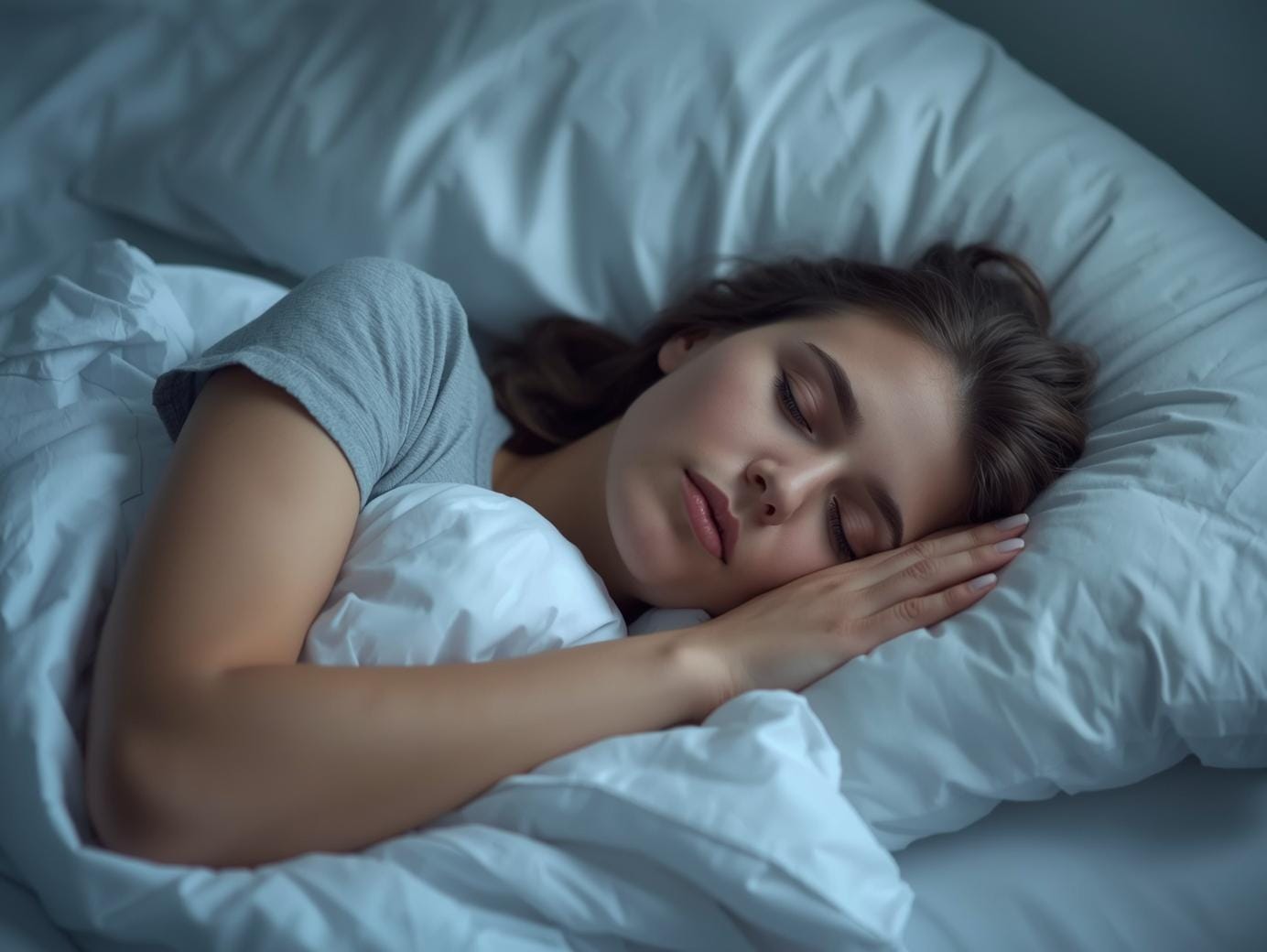
Have you ever woken up feeling like you didn’t actually rest, even though you spent eight hours in bed? You’re not alone. The problem isn’t always abouthow much deep sleep do you need—it’s about how deep that sleep goes. Deep sleep is where the real magic happens, and understanding how much you need could transform your entire life.
Understanding Deep Sleep and Its Importance
What is Deep Sleep?
Deep sleep, scientifically known as slow-wave sleep or stage N3 sleep, is when your brain slows down significantly. Imagine your mind shifting from a bustling highway into a quiet neighborhood—that’s deep sleep. During these precious hours, your brain waves move slower, your muscles relax completely, and your body essentially enters maintenance mode.
Unlike the lighter stages of sleep where you might wake up if someone calls your name, deep sleep is when your body becomes nearly unresponsive to external stimuli. This is the restorative phase where your physical body does most of its repair work.
Why Deep Sleep Matters for Your Health
Think of deep sleep as your body’s personal repair shop. When you enter this stage, your body increases blood flow to muscles, releases hormones that promote growth, and consolidates memories. Without sufficient deep sleep, you’re essentially trying to run your body on a reserve tank.
Deep sleep is crucial for everything from immune function to emotional resilience. It’s not just about feeling rested—it’s about maintaining the foundation of your health. During these stages, your body produces growth hormone, which is essential for cellular repair, metabolism, and aging gracefully.
The Science Behind Sleep Cycles
Sleep Architecture Explained
Your sleep isn’t a continuous block of the same type of rest. Instead, it follows a carefully orchestrated pattern that cycles through different stages roughly every 90 minutes. This is called ultradian rhythm, and understanding it is key to getting quality sleep.
Each cycle contains light sleep, deeper sleep, and REM sleep. Your body naturally progresses through these stages, starting light and gradually deepening. It’s like going down a staircase—you can’t jump directly to the basement; you have to go through each step.
How Deep Sleep Fits Into Your Sleep Cycle
Deep sleep typically occurs during the first half of your night, particularly in the first two to three cycles. This is why getting to bed at a consistent time matters so much—your body is programmed to achieve deeper sleep earlier in the evening.
During a typical eight-hour night, you might experience three to four complete sleep cycles. Deep sleep usually dominates the earlier cycles, while REM sleep becomes more prevalent as the night progresses. This is why disrupting your sleep early in the evening can significantly reduce your deep sleep percentage.
REM vs. Non-REM Sleep Stages
Non-REM sleep comprises stages one through three, with stage three being your deep sleep. REM (Rapid Eye Movement) sleep is when your dreams become vivid and your brain processes emotional information. While both are essential, they serve different purposes.
REM sleep helps consolidate emotional memories and creative thinking, while deep sleep handles physical restoration. You need both, but if you’re missing one or the other, your health suffers differently. Think of REM sleep as emotional housekeeping and deep sleep as physical maintenance.
How Much Deep Sleep Do You Actually Need?
Recommended Deep Sleep Duration by Age
The amount of deep sleep you need varies depending on your age. Newborns and infants spend roughly 50% of their sleep time in deep sleep—they’re growing rapidly, after all. Children typically need about 20-25% of their total sleep in deep sleep, which translates to roughly one to two hours per night.
Adults generally need about 1.5 to 2 hours of deep sleep per night, which typically represents 13-23% of total sleep time. As you age into your senior years, deep sleep can decrease to about 0.5-1 hour per night, partly due to natural changes in sleep architecture.
Percentage of Total Sleep Time
Rather than fixating on exact hours, it’s more helpful to think about percentages. If you’re sleeping eight hours, you should ideally experience roughly 1.5 to 2 hours of deep sleep. That’s about 20% of your total sleep time.
If you’re sleeping six hours, aim for at least 45 minutes to an hour of deep sleep. The key is consistency—your body performs better when it can rely on a regular sleep schedule, allowing it to cycle properly through all sleep stages.
Factors That Influence Your Deep Sleep Needs
Age and Life Stage
Your age dramatically influences both how much deep sleep you need and how much you actually get. Teenagers need more deep sleep than adults because their brains and bodies are still developing. Pregnant women often experience changes in their deep sleep patterns, sometimes increasing and sometimes decreasing depending on the trimester.
As you move into your 30s and 40s, your deep sleep remains relatively stable. However, once you hit your 50s and 60s, natural age-related changes begin reducing deep sleep capacity. This isn’t failure—it’s biology.
Physical Activity and Exercise
Here’s something exciting: exercise is one of the most powerful tools you have for increasing deep sleep. When you exercise, your muscles need repair, which triggers your body to spend more time in deep sleep. It’s like sending a work order to your sleep system.
However, timing matters. Vigorous exercise too close to bedtime can keep you wired, reducing deep sleep. Most sleep experts recommend finishing intense workouts at least three to four hours before bed.
How Fitness Affects Sleep Quality
People who engage in regular physical activity typically experience 50-65% more deep sleep than sedentary individuals. This isn’t just about feeling tired—it’s about your body’s actual recovery demands. When you exercise, you create a biological need for deep sleep.
Strength training seems to have a particularly strong effect on deep sleep promotion. Your muscles need to repair and rebuild after resistance exercise, which naturally drives your body into deeper sleep stages.
The Role of Deep Sleep in Physical Recovery
Muscle Repair and Growth
During deep sleep, your body releases growth hormone at its highest levels. This hormone orchestrates muscle protein synthesis—essentially, it tells your body to repair and build muscle tissue. This is why athletes who prioritize sleep gain competitive advantages over those who don’t.
Without sufficient deep sleep, even intense training yields suboptimal results. Your muscles might feel worked, but they’re not repairing efficiently. It’s like trying to build a house without letting the foundation set properly.
Immune System Strengthening
Your immune system works 24/7, but it does major maintenance during deep sleep. Your body produces cytokines during deep sleep—protein molecules that fight infection and inflammation. Studies show that people who consistently get inadequate deep sleep catch colds more frequently and recover more slowly from illness.
When you shortchange your deep sleep, you’re essentially weakening your body’s defense system. This becomes particularly important during cold and flu seasons, and especially during any illness recovery period.
Mental Health Benefits of Adequate Deep Sleep
Cognitive Function and Memory
Your brain consolidates memories during sleep, but the heavy lifting happens during deep sleep. Information you learned throughout the day gets filed away properly during these stages. Without it, you might understand something in the moment, but it doesn’t stick.
Students who pull all-nighters don’t just feel tired—they actually impair their ability to retain information. Deep sleep is when your brain organizes new knowledge and integrates it with existing understanding.
Emotional Regulation and Stress Management
Think of deep sleep as your brain’s emotional thermostat. During these stages, your brain processes emotional experiences and regulates your response to stress. People who miss out on deep sleep often experience emotional volatility, increased anxiety, and difficulty managing frustration.
Chronic deep sleep deprivation is linked to depression, anxiety disorders, and mood disturbances. Your emotional resilience literally depends on your sleep architecture.
Signs You’re Not Getting Enough Deep Sleep
Physical Symptoms
If you’re consistently waking up sore, experiencing frequent muscle aches, or noticing that minor injuries take longer to heal, you might lack sufficient deep sleep. You might also experience frequent illness, getting colds or infections more often than friends and family.
Some people report feeling physically drained even after seemingly adequate sleep duration. That exhausted, dragging feeling throughout the day often indicates insufficient deep sleep rather than insufficient total sleep.
Mental and Emotional Indicators
Brain fog that won’t clear, difficulty concentrating, forgetfulness, and mood swings all suggest inadequate deep sleep. You might feel irritable, anxious, or emotionally raw. Some people experience difficulty controlling their temper or feeling overwhelmed by minor stressors.
If you’re gaining weight despite maintaining your exercise and eating habits, deep sleep insufficiency could be the culprit. Deep sleep affects hunger hormones and metabolic rate, influencing weight management significantly.
Tips to Improve Your Deep Sleep Quality
Sleep Environment Optimization
Your bedroom should feel like a sanctuary for sleep. Keep it cool—around 60-67 degrees Fahrenheit (15-19 degrees Celsius) is ideal. Darkness is equally important; consider blackout curtains or an eye mask. Silence matters too, or use white noise if you need it.
Invest in a comfortable mattress and pillows that support your body properly. Your sleep environment is your foundation—you can’t build quality deep sleep on a poor foundation.
Pre-Sleep Routine Strategies
Create a wind-down routine starting 30-60 minutes before bed. This signals your body that sleep is coming. Some people find success with reading, gentle stretching, meditation, or journaling. The key is choosing activities that calm your nervous system.
Avoid stimulating activities during this period. That means no intense work discussions, no thrilling movies, and no doomscrolling through news feeds. Your brain needs time to transition from wakefulness.
Technology and Sleep
The blue light from phones, tablets, and computers suppresses melatonin production, the hormone that makes you sleepy. Put devices away at least one hour before bed. If you must use them, enable blue light filters.
Some people find that keeping their phone outside the bedroom entirely helps them sleep better and wake more refreshed. The psychological presence of your phone—even powered off—can subtly increase stress.
Common Mistakes That Disrupt Deep Sleep
Diet and Timing Issues
Eating large meals close to bedtime disrupts sleep because your digestive system stays active when you should be resting. Heavy, fatty, or spicy foods are particularly problematic. Similarly, caffeine consumed after 2 PM can interfere with sleep onset and deep sleep quality.
Alcohol is another common culprit. While it might make you drowsy, alcohol significantly reduces deep sleep quality by disrupting your normal sleep architecture. You might sleep long hours but experience minimal actual deep sleep.
Lifestyle Habits to Avoid
Inconsistent sleep schedules confuse your body’s internal clock. Going to bed at 10 PM one night and midnight the next disrupts your circadian rhythm, reducing deep sleep percentage. Your body thrives on predictability.
Excessive screen time before bed, stressful work or personal situations right before sleep, and poor stress management throughout the day all impair deep sleep. These habits essentially keep your nervous system in a heightened state when it should be winding down.
Tracking and Monitoring Your Deep Sleep
Sleep Tracking Devices and Apps
Smartwatches and fitness trackers estimate your sleep stages based on movement and heart rate patterns. While not perfectly accurate, they provide useful trends. Apps like Sleep Cycle or AutoSleep offer detailed analysis of your sleep architecture.
More advanced options include sleep labs that monitor brain waves through EEG, providing precise measurements. If you suspect a sleep disorder, a sleep study through your doctor might be worthwhile.
Understanding Your Sleep Data
Look for patterns in your data. Do you consistently get below 1.5 hours of deep sleep? On which nights is your deep sleep percentage lowest? Correlate these findings with your activities, diet, and stress levels.
Use this information to experiment. Try one change—going to bed 30 minutes earlier, eliminating caffeine after noon, or adding evening exercise—and monitor how it affects your deep sleep percentage.
Conclusion
Deep sleep isn’t a luxury—it’s a biological necessity that separates those who merely exist from those who truly thrive. Most adults need roughly 1.5 to 2 hours of deep sleep nightly, representing about 20% of your total sleep time. This is the stage where your body repairs itself, your immune system strengthens, and your brain consolidates memories.
Your deep sleep needs depend on your age, activity level, and lifestyle choices. The good news? Deep sleep is largely within your control. By optimizing your sleep environment, maintaining consistent sleep schedules, exercising regularly, and managing stress, you can dramatically improve your deep sleep quality and quantity.
Stop accepting mediocre sleep. Start paying attention to your sleep architecture. Your physical health, mental clarity, emotional stability, and overall quality of life depend on it.
Frequently Asked Questions
1. Can you get too much deep sleep? Not really. Your body naturally regulates deep sleep based on your biological needs. If you’re consistently getting eight-plus hours of sleep and still feeling tired, deep sleep insufficiency is more likely than excess. However, sleeping excessively (more than 10 hours regularly) can sometimes indicate underlying health issues worth discussing with your doctor.
2. How long does it take to improve your deep sleep? Most people notice improvements in deep sleep quality within one to two weeks of implementing better sleep habits. However, significant changes in deep sleep percentage might take three to four weeks as your body adjusts to new routines. Consistency is more important than perfection.
3. Does caffeine really affect deep sleep that much? Yes. Caffeine has a half-life of five to six hours, meaning half of what you consumed remains in your system that long. Consuming caffeine after 2 PM can significantly reduce deep sleep percentage, even if you fall asleep fine. Some people are more sensitive than others, so experimentation helps determine your personal caffeine cutoff time.
4. Is it normal for deep sleep to decrease with age? Absolutely. Natural age-related changes in sleep architecture mean seniors typically experience less deep sleep than younger adults. This doesn’t mean accepting poor sleep, though. Maintaining exercise, managing stress, and optimizing sleep habits can help preserve deep sleep into your later years.
5. Can you measure your deep sleep without a device? Not precisely, but you can notice the effects. If you consistently wake up feeling refreshed, your muscles recover well from exercise, you rarely get sick, and your mood is stable, you’re likely getting adequate deep sleep. Poor sleep quality feels distinctly different—you might sleep eight hours and still feel exhausted. Trust these subjective measures alongside objective tracking for the best picture.